What Happens After a Horizon Europe Project Closes?
October 5Post-Project Exploitation in Horizon Europe: What Happens After the Grant Ends?
Introduction
Post-project exploitation in Horizon Europe is becoming increasingly important as the EU looks to maximise the long-term impact of research and innovation investments. With thousands of Horizon Europe projects reaching completion, the final review should not be seen as the end of the journey. The real value of research often depends on what happens after the project formally closes.
As the Commission pushes for a bigger, faster, more impactful Horizon Europe programme for 2028–2034, proposed at €175 billion, one question gets less airtime than it should: what happens to all the excellent research after a project’s final review?
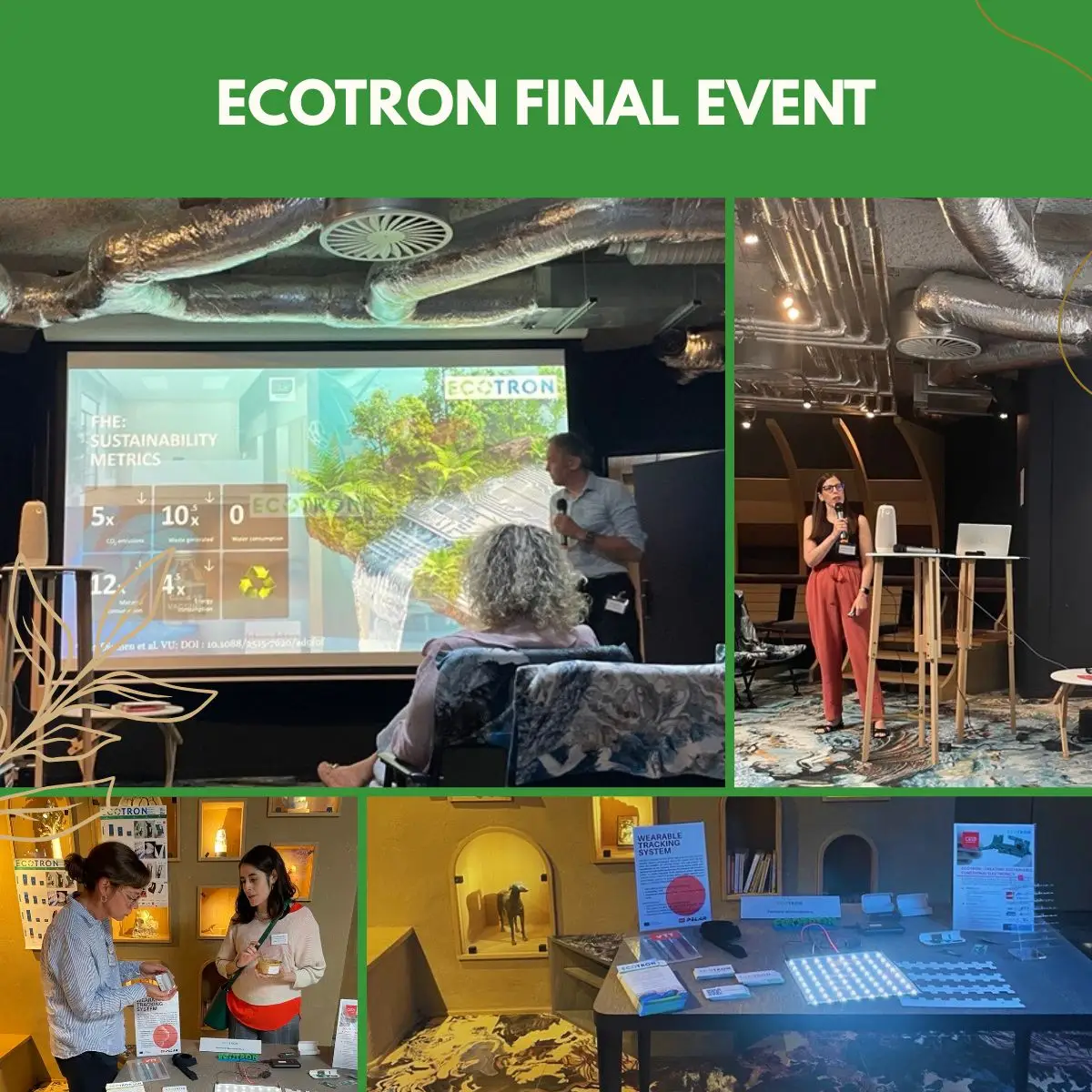
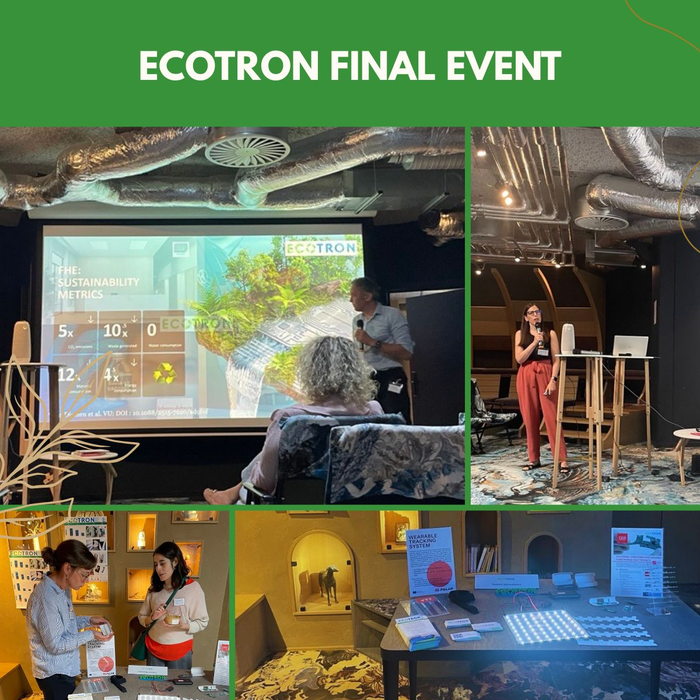
This August, ECOTRON, a Horizon Europe project developing recyclable, eco-friendly printed electronics, reached its official end date. But its closure is a useful trigger for a sector-wide reality: a Grant Agreement’s final day is an administrative milestone, not a finish line.
Under Article 28 GA (Exploitation of Results), consortia are obligated to pursue exploitation for up to four years after project end, through further research, product or process development, new services, or standardisation.
For every consortium approaching closure, this raises practical questions: How long should the project website stay live? What records must be kept, and for how long? Where can partners find continued support once the project team disbands?
The Impact of Post-Project Exploitation in Horizon Europe
The good news is that consortia aren’t left to figure this out alone. Several free EU-backed services exist specifically to help research and innovation results continue beyond the grant’s end date.
- Horizon Results Platform: publishes exploitable results to relevant target audiences.
- Horizon Results Booster: provides free dissemination and exploitation consulting.
- Horizon Standardisation Booster: offers expert support to help valorise results through standardisation.
Post-project exploitation in Horizon Europe also requires practical continuity. This means maintaining the project website, archiving essential content before it disappears, planning social media continuity, and keeping an active contact point for follow-up opportunities.
As a dissemination and exploitation partner across its Horizon Europe portfolio, AMIRES builds this kind of post-project continuity into consortium planning from day one, helping ensure that valuable results don’t go quiet the moment the funding ends.
Keeping Horizon Europe Results Alive After Project Closure
The end of a funded project does not necessarily mean the end of its impact. Effective post-project exploitation can create opportunities for further research, commercialisation, new partnerships, standardisation, and uptake by relevant stakeholders.
For project coordinators and consortium partners, this means thinking about exploitation well before the final reporting period. A clear post-project plan can help determine:
- Which project results have the strongest exploitation potential.
- Who will remain responsible for each result after project closure.
- How project communications and websites will be maintained.
- Which results should be promoted through EU platforms.
- What future funding, research, commercial, or standardisation opportunities could support continued development.
Embedding these activities into project planning from the beginning can make the transition after the grant much smoother.
Engagement and Next Steps
As Horizon Europe scales up, should post-project exploitation in Horizon Europe be tracked and rewarded as rigorously as the research itself?
The answer could have important implications for how the EU measures the long-term return on its research and innovation investment.
Explore the ECOTRON project:
https://ecotron-project.eu/
Read more EU research and innovation insights from AMIRES:
https://www.amires.eu/insights/