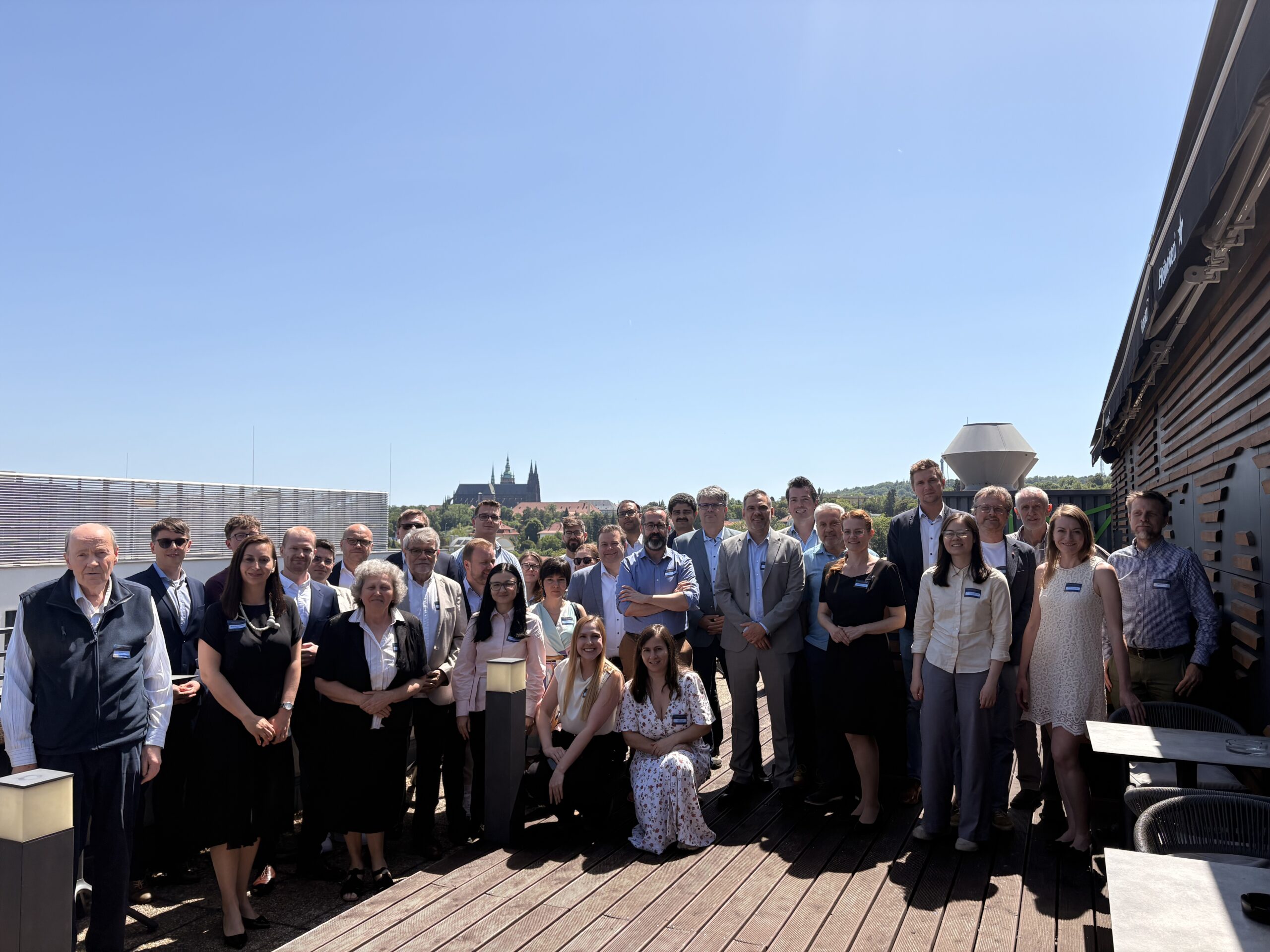
Clean fuels are no longer a future vision, they are a system challenge we must solve today!
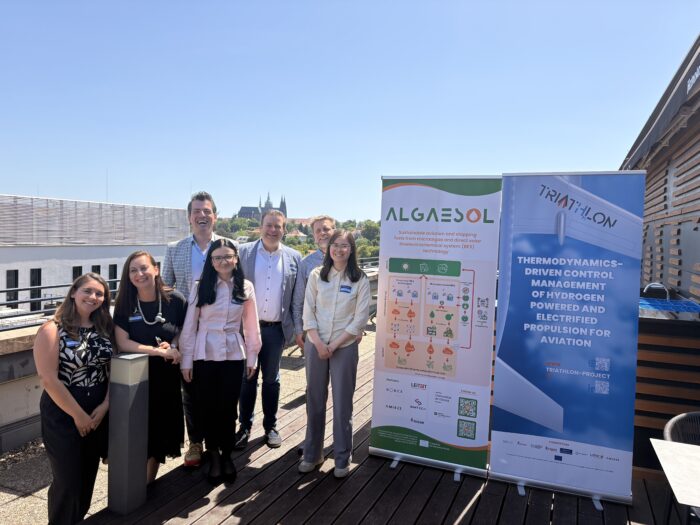
May 29The Clean Fuel Transition Workshop, held in Prague on 26 May 2026 under the ENESUS project, brought together experts from research, industry, and policy to explore the future of hydrogen, biomass, and sustainable fuel systems. The discussions highlighted both strong technological momentum and critical bottlenecks slowing down large-scale deployment.

Key Insights from the Clean Fuel Transition Workshop
⚡Hydrogen is ready, but deployment is not
While technologies such as electrolysis, storage, and end-use applications are advancing, regulatory clarity, financing frameworks, and coordinated infrastructure development remain critical to unlock implementation
💶Economic viability remains a decisive factor
Production costs, energy price dynamics, and supply continuity continue to influence project scalability and investment decisions
🏭 Demand must drive deployment
Heavy industry sector, such as refineries, fertilisers, and steel production will play a key role in scaling hydrogen, ensuring stable offtake and real decarbonisation impact
✈️ Hard-to-abate sectors are key drivers for innovation
Aviation and shipping decarbonization will rely on hydrogen, biofuels, and synthetic fuels, requiring integrated system solutions and accelerated deployment pathways
🔬Technology innovation is advancing fast
Advances in hydrogen storage concepts, plasma technologies, catalyst, and material solutions are enabling efficiency gains and supporting scale-up
🌱Sustainability must be built in from the start
Life Cycle Assessment is essential to ensure truly low-carbon solutions across the full value chain
🌾Land use and biogenic feedstocks offer a strong potential
The use of energy crops on degraded or marginal land presents opportunities to advance circular, low-impact fuel production under the EU regulatory framework

Bottom line:
The clean fuel transition is not about a single technology, it’s about aligning policy frameworks, technological innovation, infrastructure development, and markets into one coherent system.
At AMIRES, through the work of ENESUS team, we support this transition by facilitating dialogue across the ecosystem and contributing to the development of integrated technologies and sustainable solutions, through the management and dissemination of EU-funded projects in the energy and sustainability sectors.
💡 Follow AMIRES for insights into ENESUS activities and our contributions to the clean energy transition and technological innovation landscape.