Can Electronics Ever Truly Be Green?
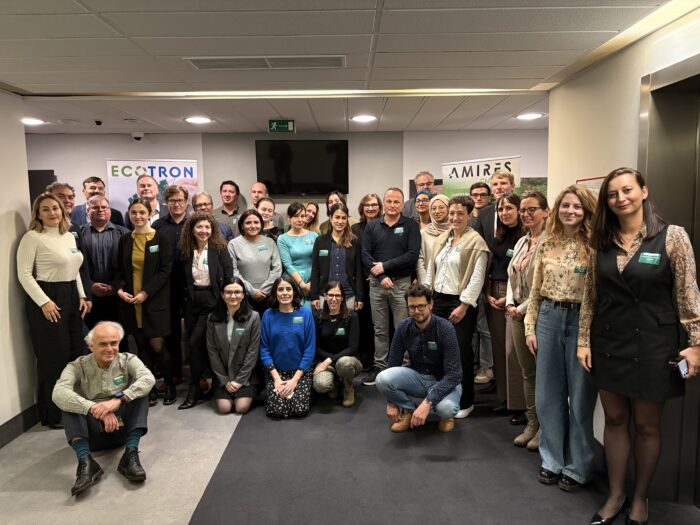
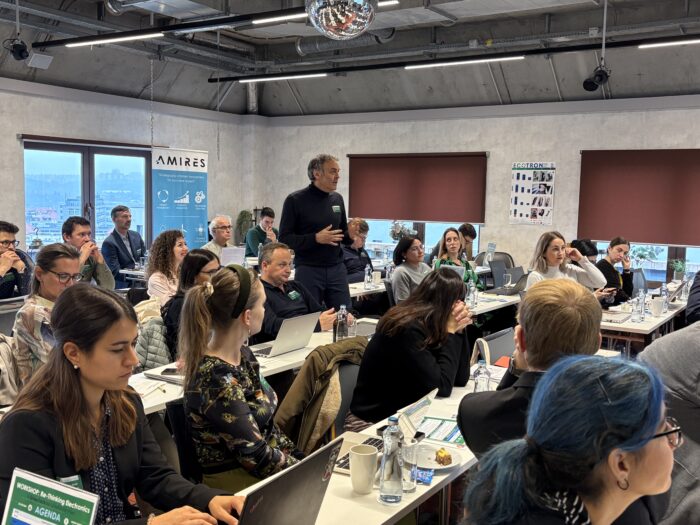
October 24This was the central question driving the workshop “Re-Thinking Electronics: Is GreenTech Too Good to Be True?”, hosted by AMIRES on 22 October 2025 in Prague.
The event was organised under the Energy & Sustainability (ENESUS) Programme and powered by ECOTRON and Convert2Green. The full-day workshop brought together leading experts to explore the future of sustainable electronics and the balance between innovation, performance, and environmental responsibility.
The workshop opened with a welcoming address from Václav Smítka (CTO of AMIRES), who highlighted the event’s role as a platform for knowledge exchange, networking, and collaboration within the sustainable electronics community.
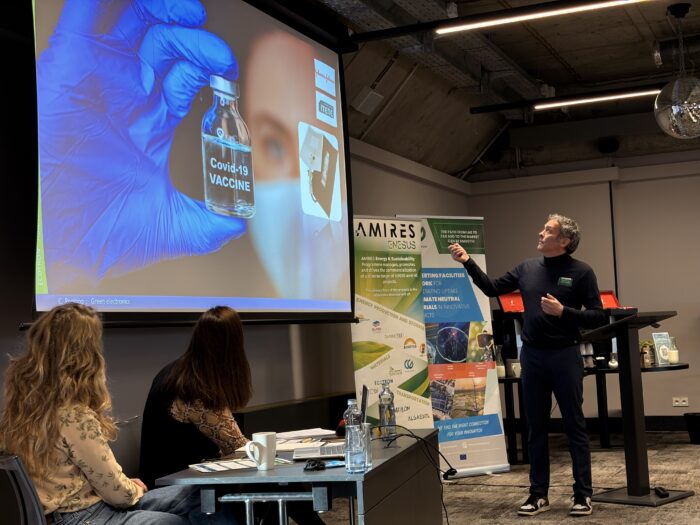
This was followed by Corne Rentrop (project leader at Holst Centre, TNO), who provided an overview of the current state of printed electronics. His talk set the stage for a day of interactive discussions and innovative insights into the future of GreenTech in electronics.
To address the complexity of the topic, the workshop was structured into three thematic sessions, each dedicated to a key aspect of the sustainability transition in the electronics sector.
The first session featured Klas-Moritz Kossel (Covestro), Matthias Fahland (Fraunhofer FEP), Cristina Gaspar (Alma Science), who showcased how printed and flexible electronics are reshaping sustainability.
- Topics included biodegradable and compostable materials, roll-to-roll manufacturing, and circular design strategies that reduce waste and energy consumption.
The second session brought together Maria Smolander (VTT), Pavel Kulha (PROFACTOR), Jan Birnstock (FLEXOO), and Yves Bayon (Medtronic) to discuss the next generation of wearable technologies.
- Speakers demonstrated how flexible electronics are revolutionising health monitoring, smart textiles, and consumer products.
- They highlighted the integration of biodegradable and compostable materials into everyday wearables, showing that printed electronics continue to push the boundaries of sustainability-driven innovation.
The final session addressed one of the sector’s most pressing challenges — electronic waste.
- Laura Strobl (Fraunhofer IVV), Inmaculada Lorente (ITENE), and Zuzana Špuntová (CYRKL) presented circular strategies, recycling innovations, and compostable materials that could redefine end-of-life electronics management.
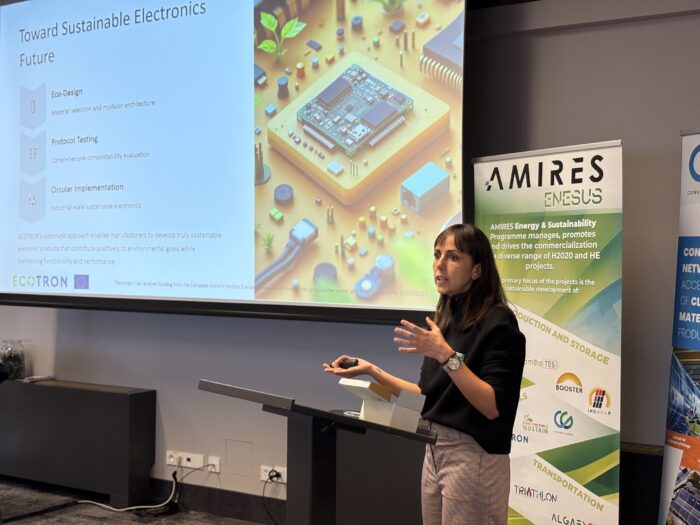
- Speakers emphasised the importance of eco-design, including sustainable materials and modular architectures, protocol testing for comprehensive compostability evaluation, and circular implementation through industrial-scale strategies for sustainable electronics.
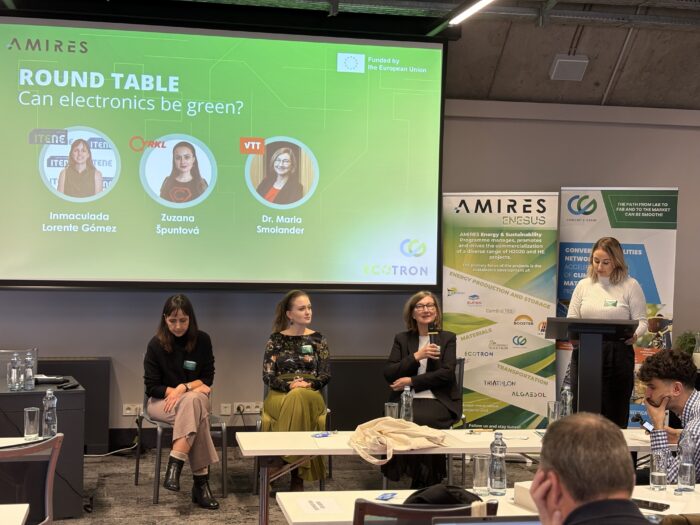
This workshop, hosted by AMIRES, concluded with a panel discussion moderated by Martina Chopart (ENESUS Programme Manager). Panelists debated the central question: “Can electronics be green?”.
The consensus was clear: electronics can be green, but the challenge is making sustainability the industry standard, not the exception. While trade-offs between performance, cost, and sustainability remain, the mindset across the sector is shifting: responsible electronics are becoming the new norm.
Key Takeaways:
- Sustainability improvements: Printed electronics show improved Life Cycle Assessment (LCA) performance, with most impact factors trending positively. Challenges remain, particularly ozone depletion potential (ODP) and mineral resource use (ADP) due to silver inks.
- Materials and recycling innovations: New recycling methods and the adoption of biobased materials offer promising solutions to further enhance sustainability.
- Environmental challenges: Printed electronics still face issues with rare metals, nanoparticles, and non-recyclable plastics.
- Collaboration matters: Effective sustainability requires cooperation along the entire value chain.
- Market adoption: Customisation of printing substrates is crucial for successful implementation and adoption.
After a day of lively discussions and brainstorming, it is clear that despite ongoing challenges, the path forward is promising.
Through innovation, circular design, and cross-sector collaboration, the electronics industry can establish sustainable, responsible products as the new standard.