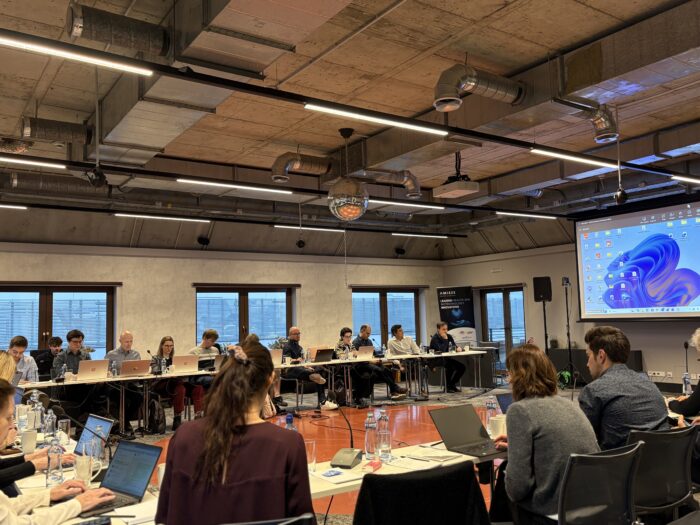
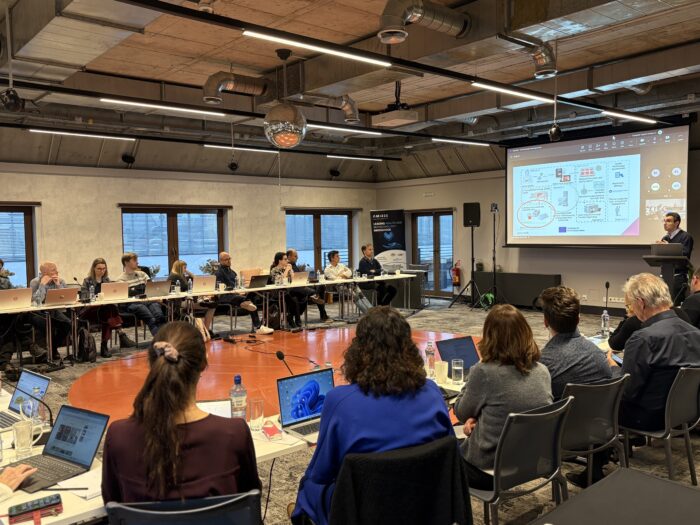
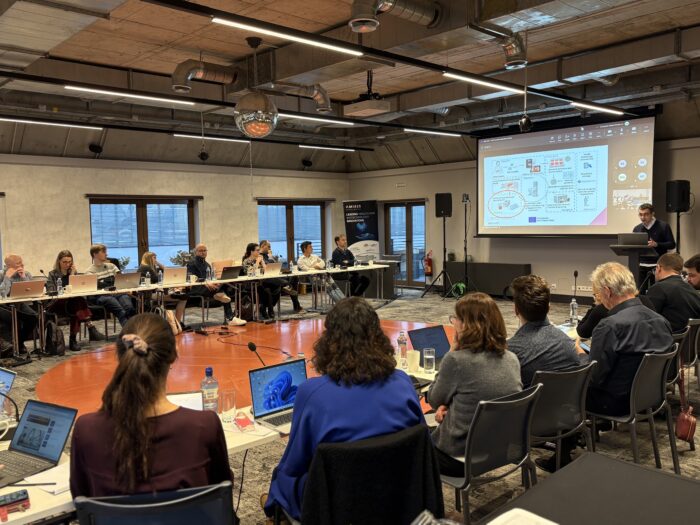
Bio-Printing of Living Cells for Regenerative Medicine – Setting up the path to clinical trials
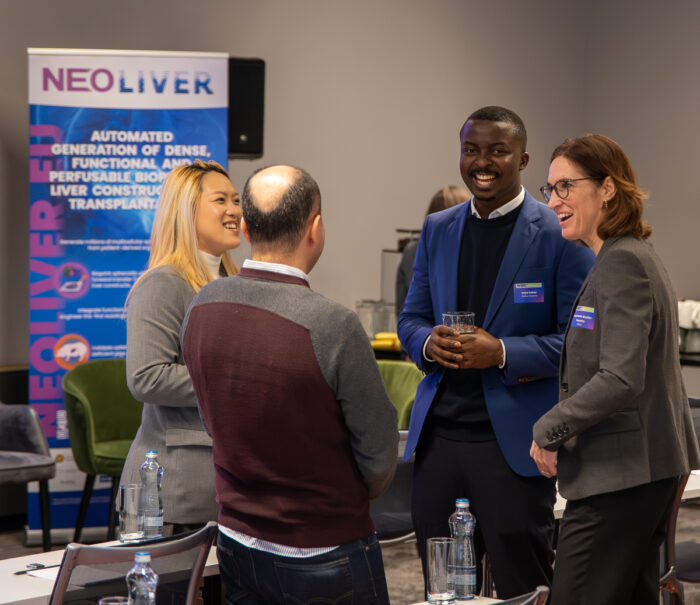
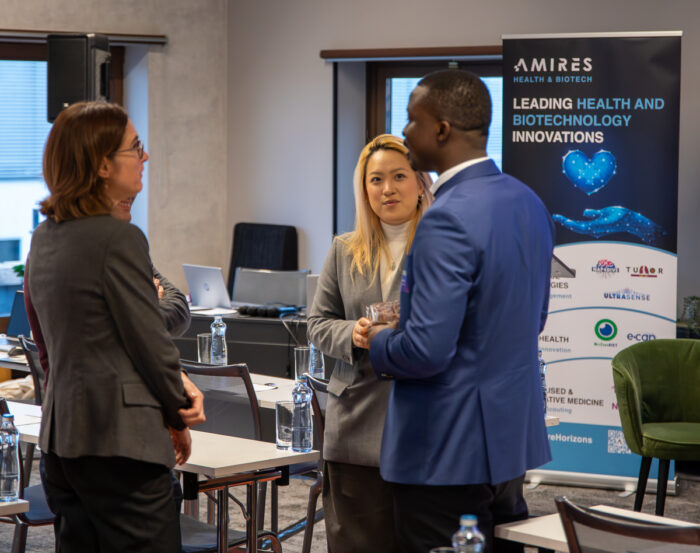
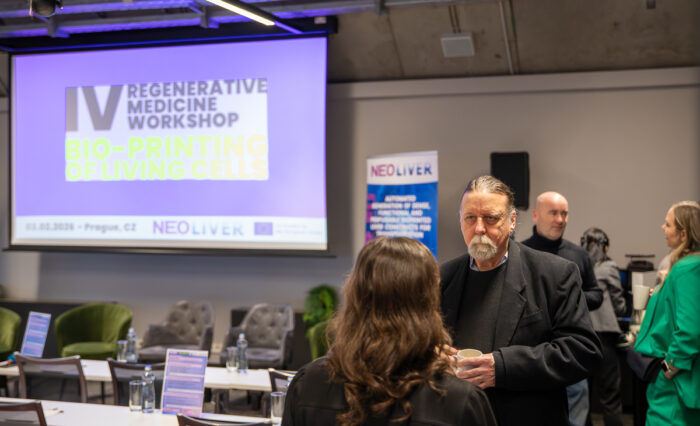
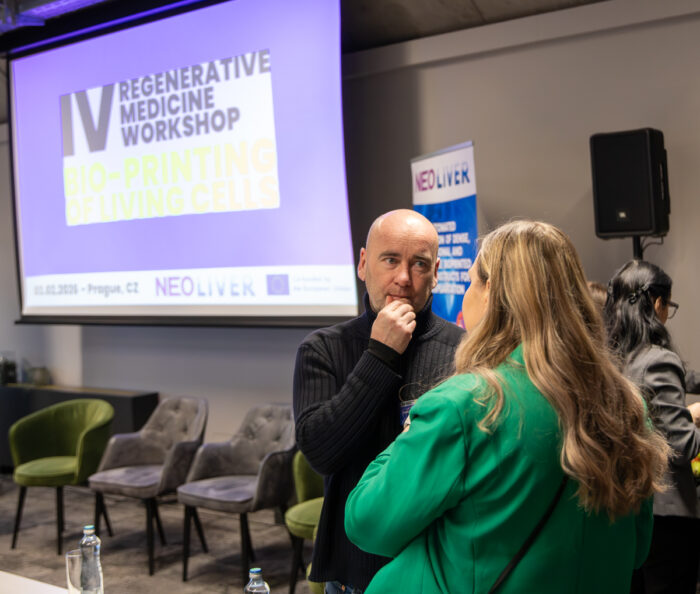
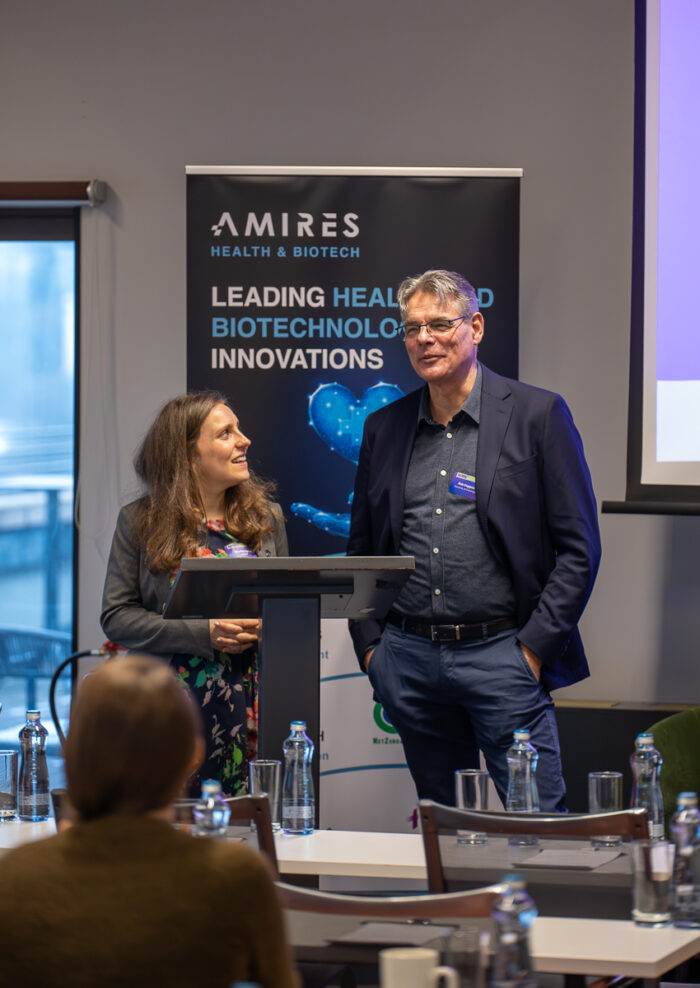
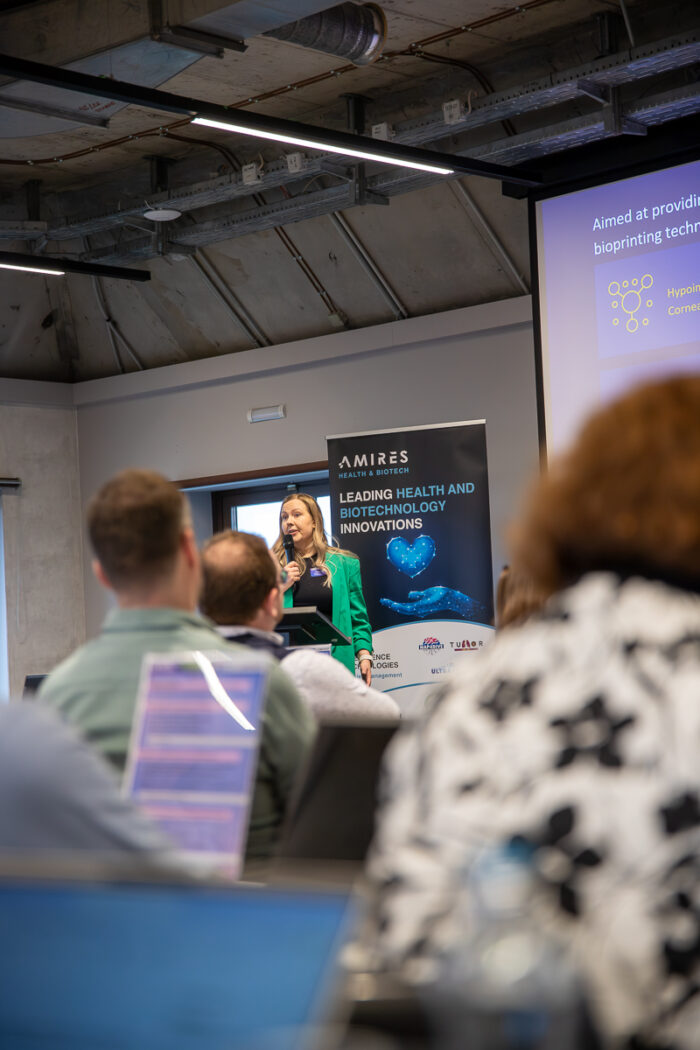
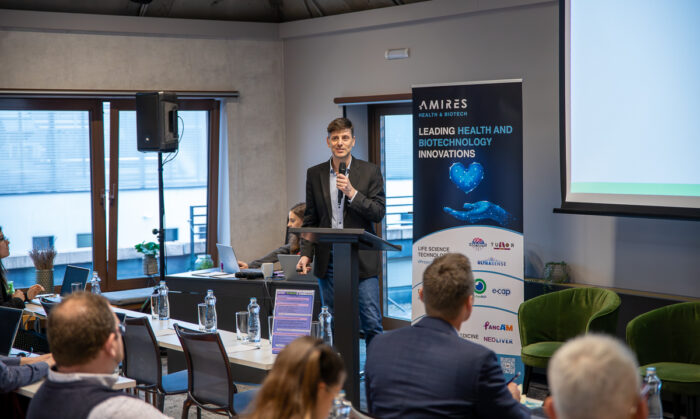
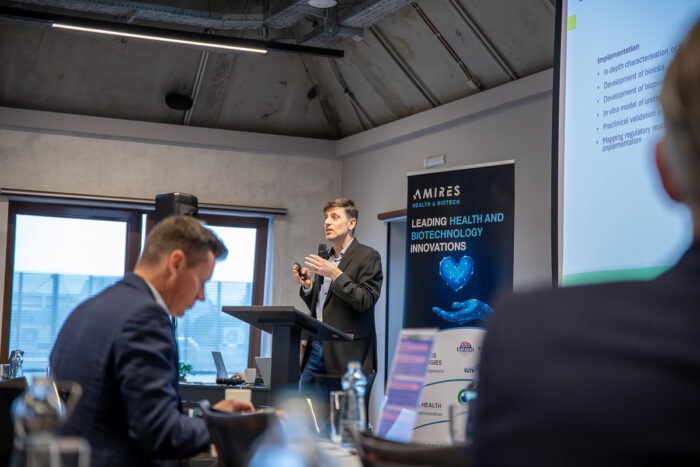
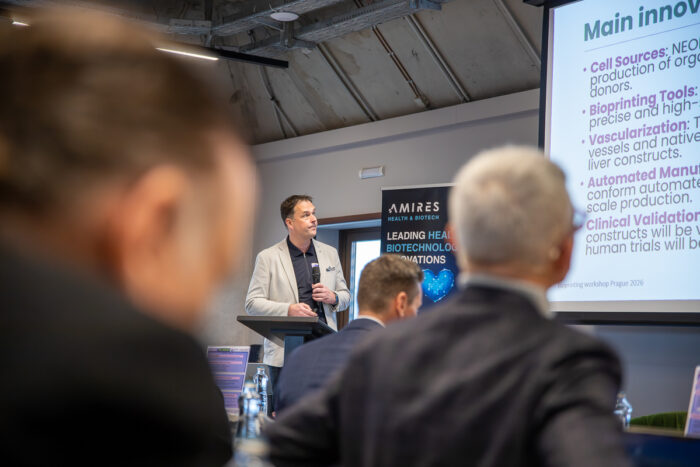
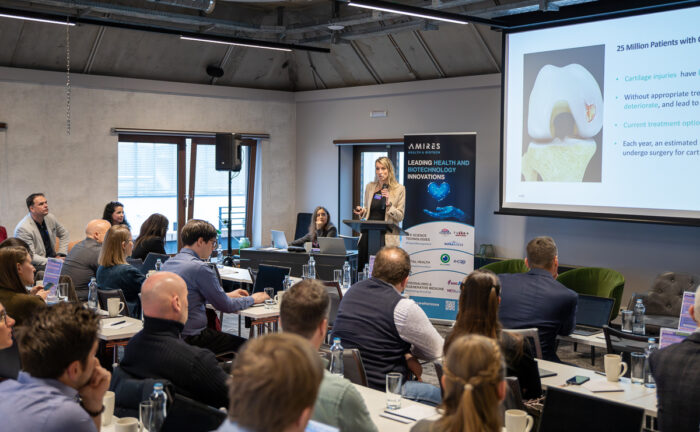
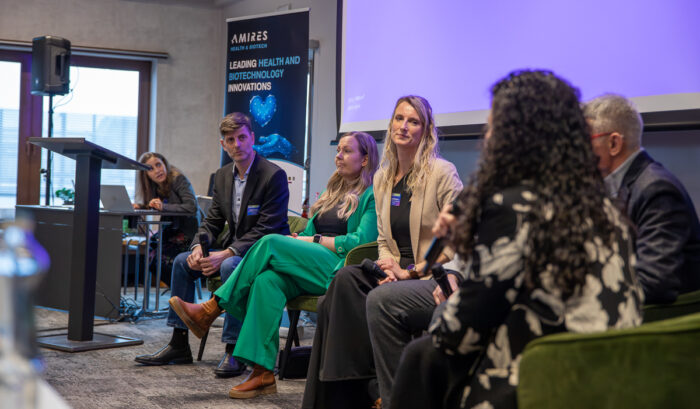
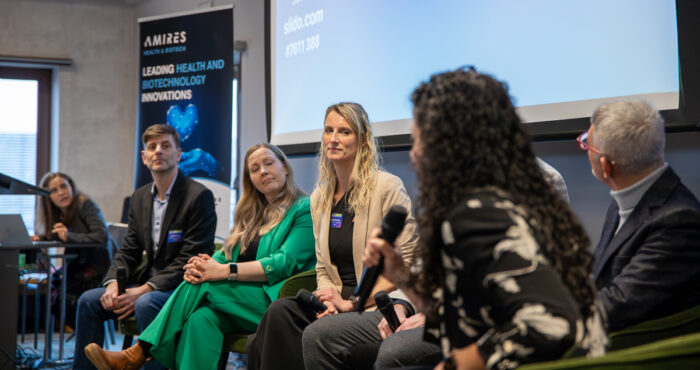
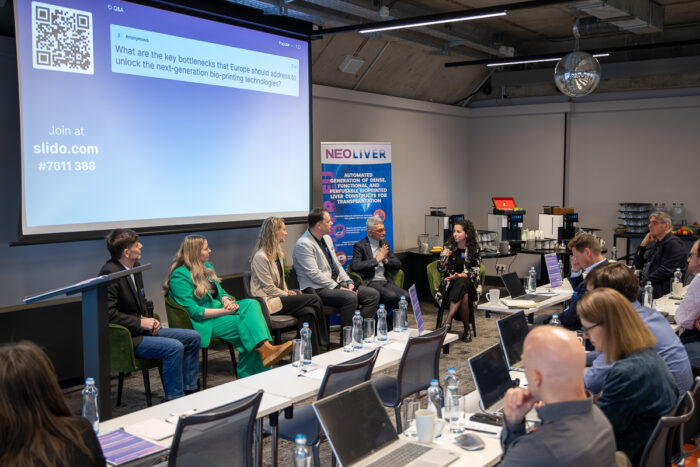
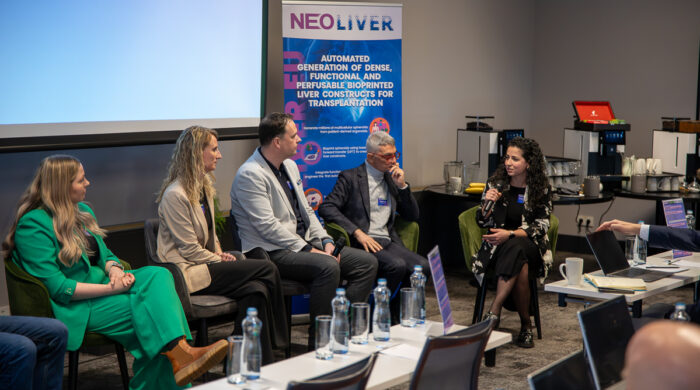
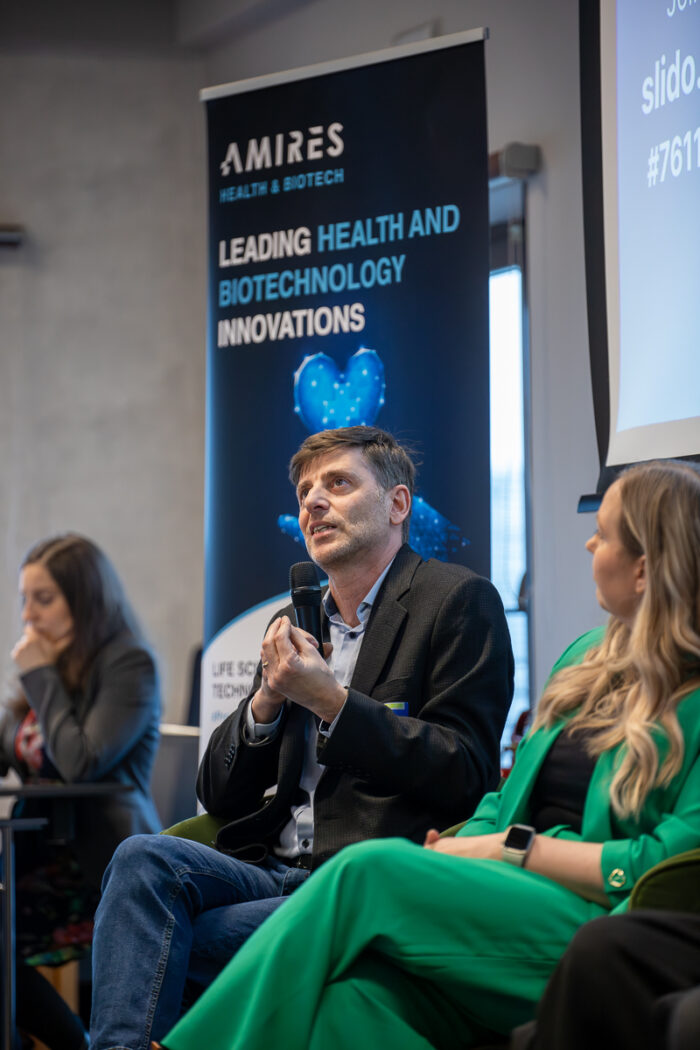
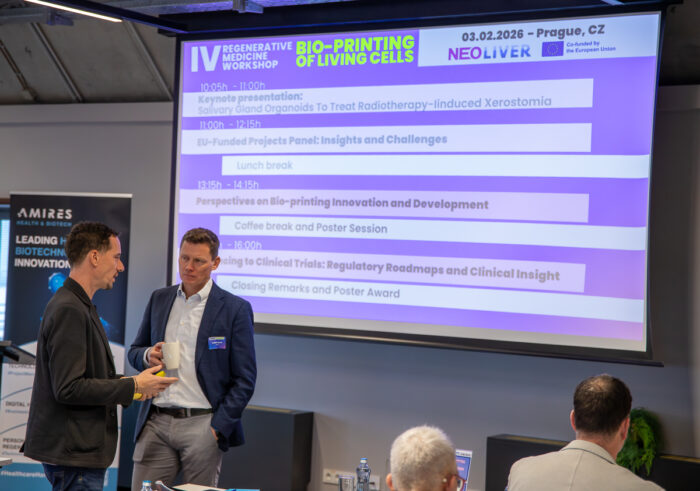
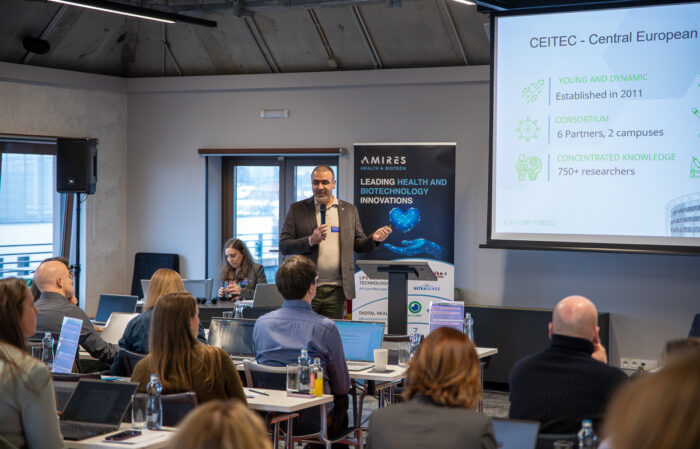
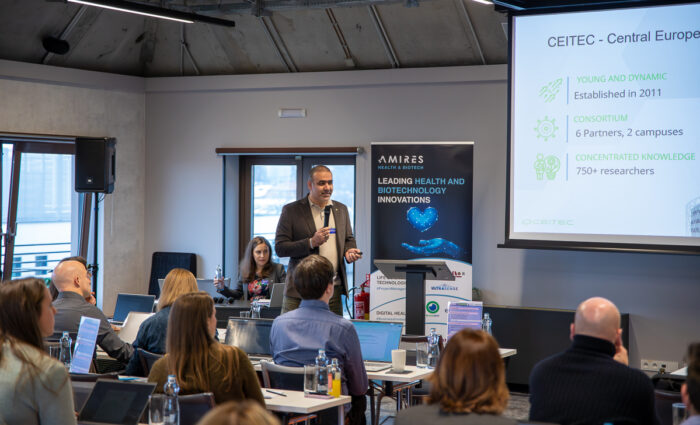
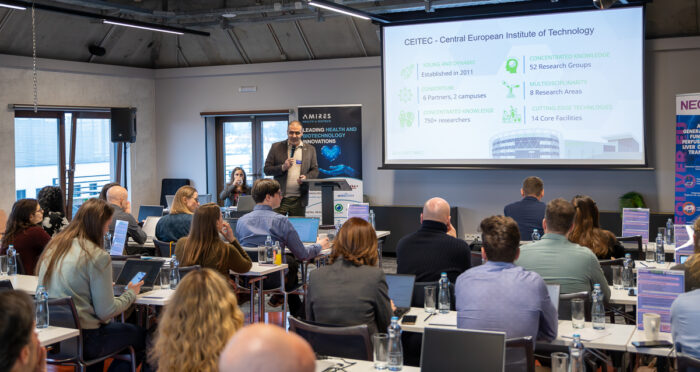
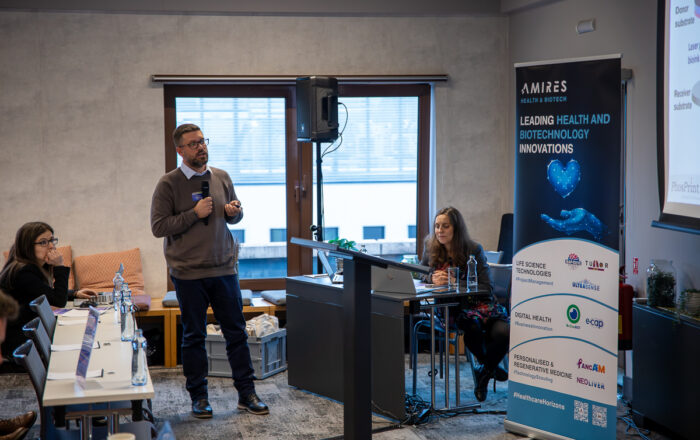
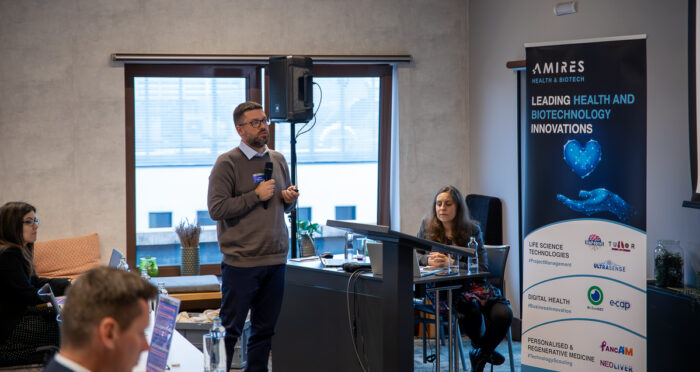
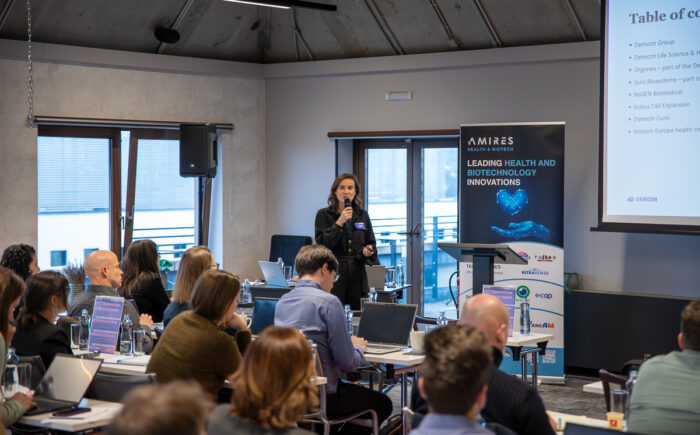
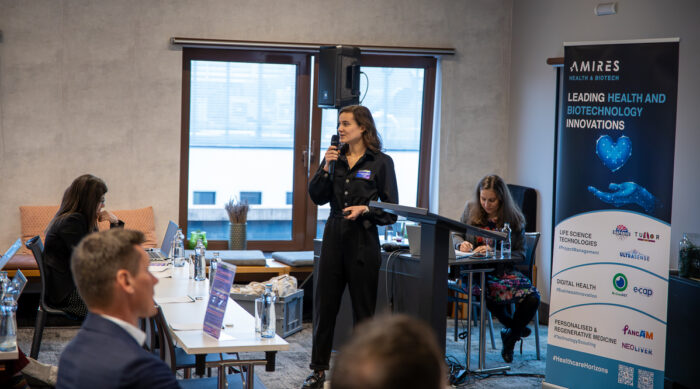
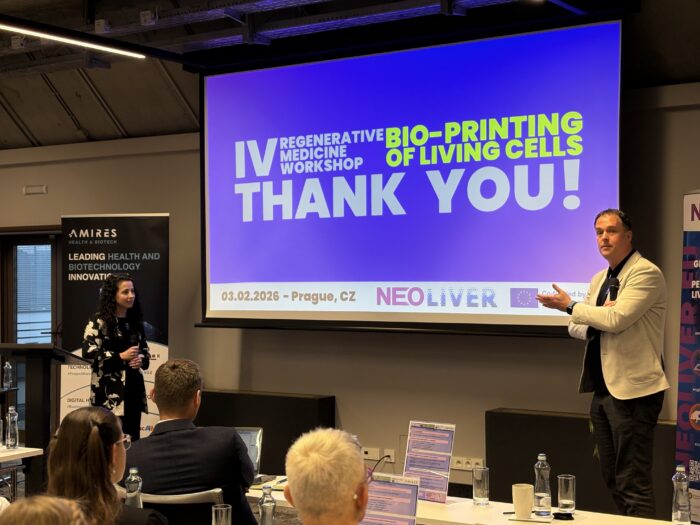
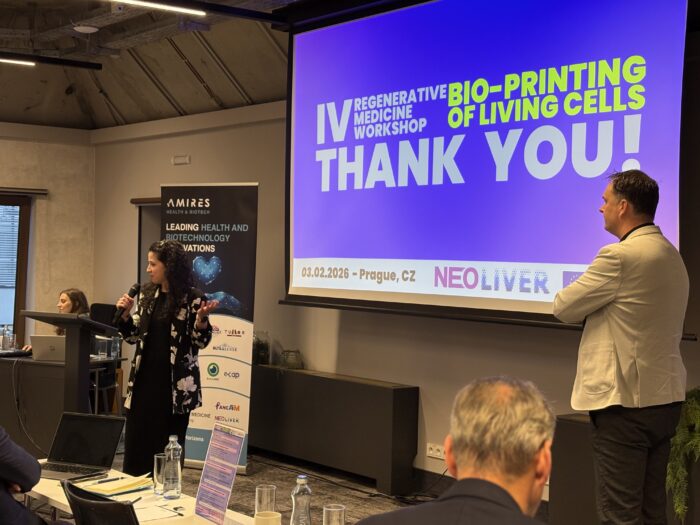
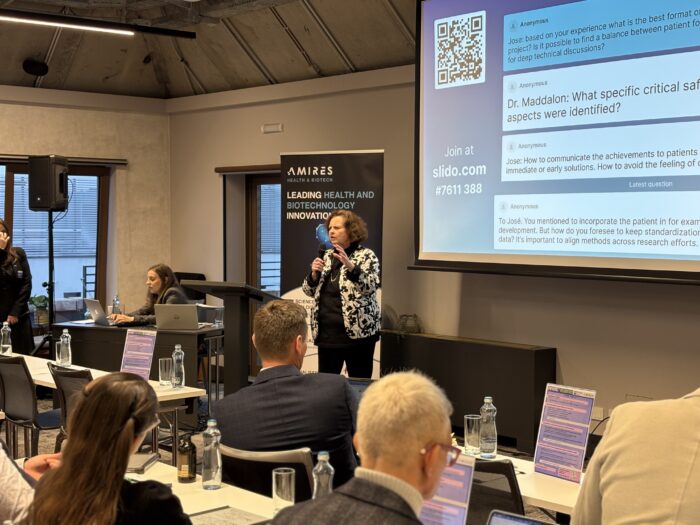
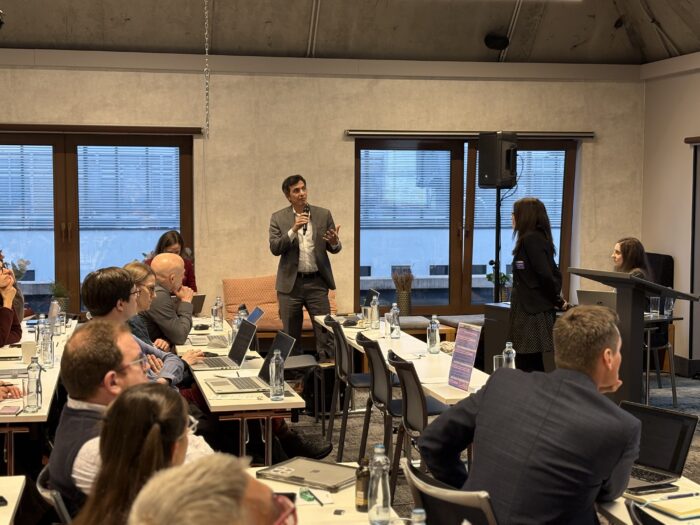
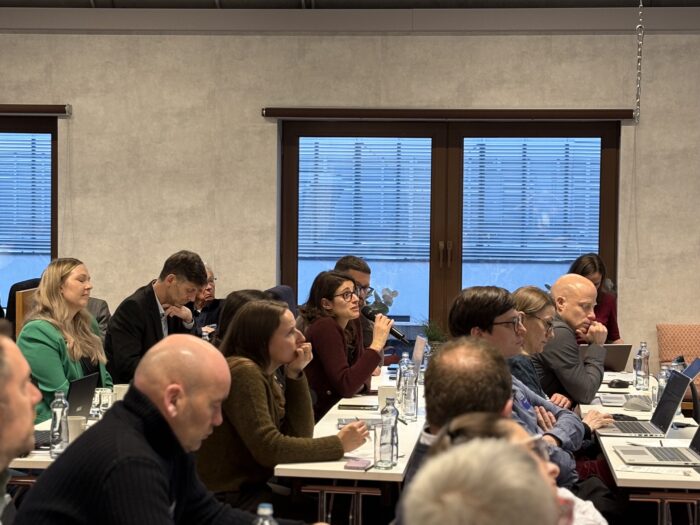
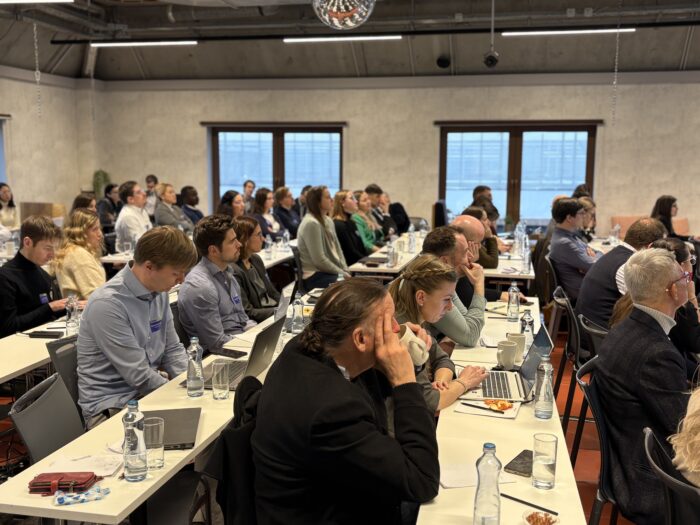
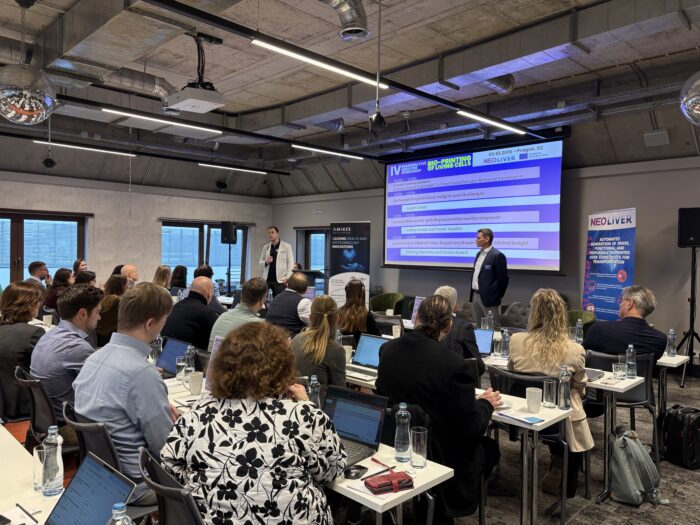
Join us for the fourth edition of the Regenerative Medicine workshop hosted by AMIRES. This edition focus is on bridging the gap between cutting-edge research and clinical trials in the field of bio-printing of living cells.
The workshop is free of charge and aims to provide a comprehensive view of how innovation can be translated into clinical and market-ready solutions and offers a unique opportunity to network and foster cross-European partnerships for future collaborative projects.
The program includes:
- EU-funded research on bio-printing of living cells
- Breakthrough technologies for scalable bioprinting process
- IP strategies, regulatory, HTA and clinical translation pathways
- Opportunities for cross-European collaboration
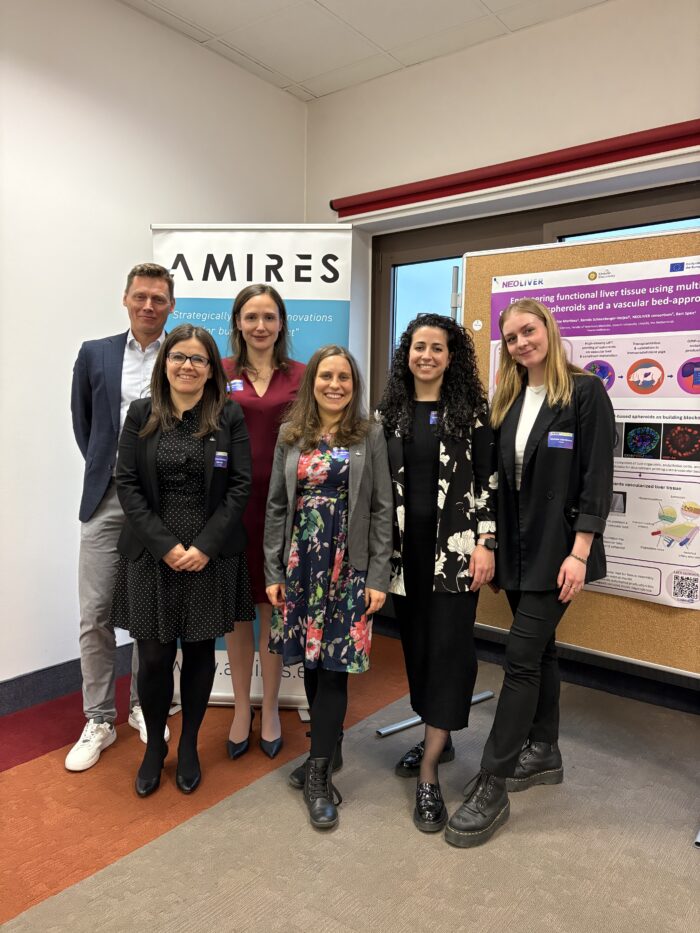
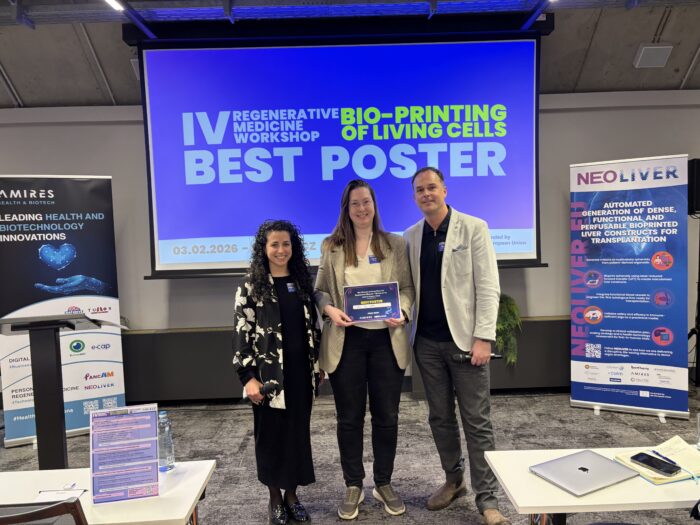
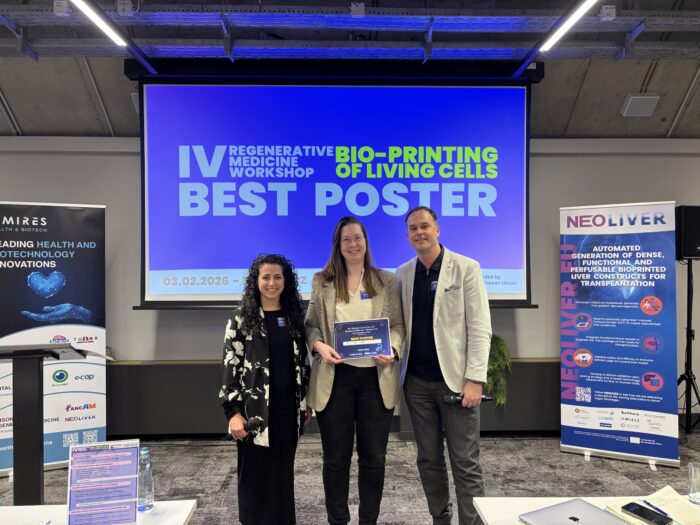
The audience will include leading researchers, clinicians, industry stakeholders, legal, regulatory and economic advisors and EU policy experts. The event will also feature a poster session with 300 EUR award to highlight early-stage research contributions.
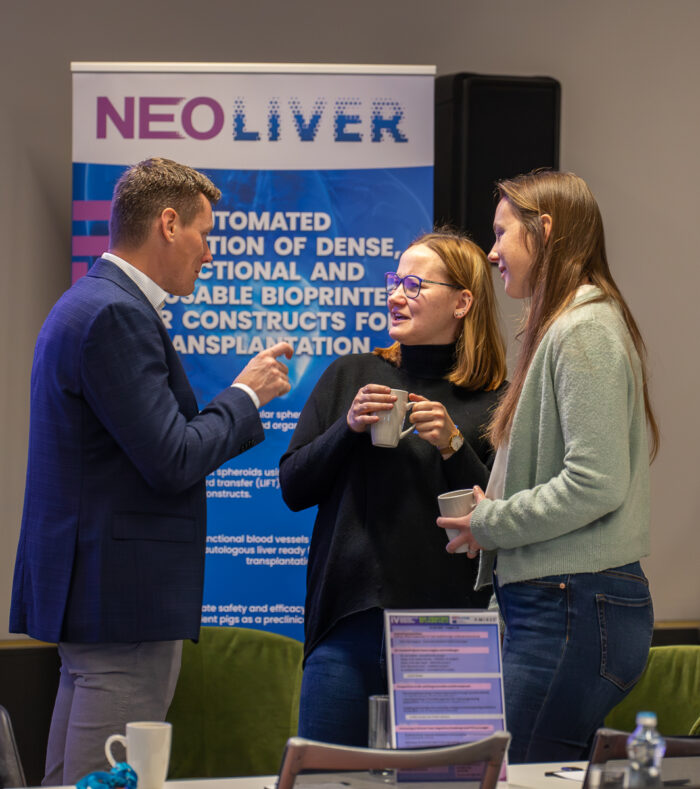
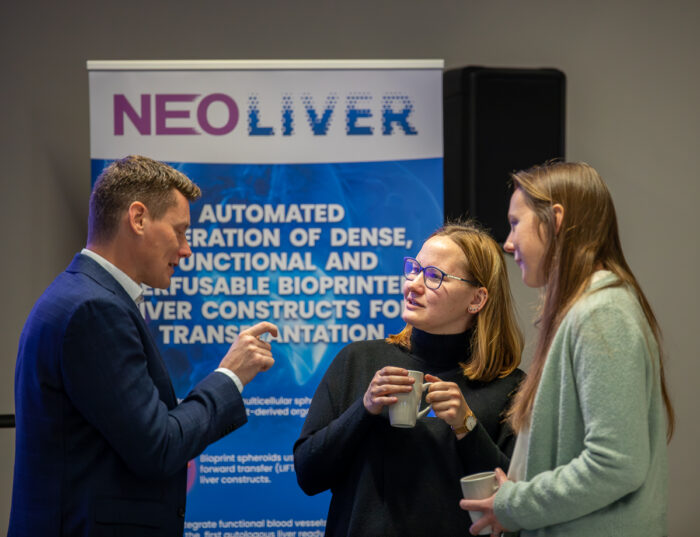
Powered by NEOLIVER.
When:
3 February 2026Time:
9:00 - 16:00Where:
Hotel Diplomat
Evropska 15
16041 Prague
Czechia
Agenda
Bio-Printing of Living Cells Presentations
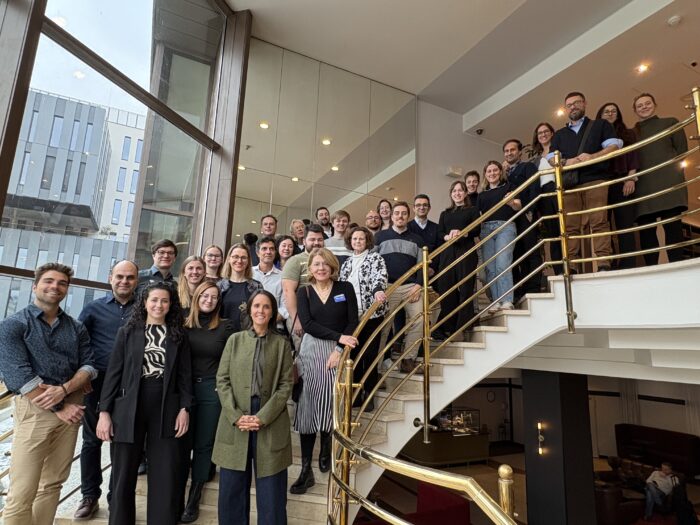
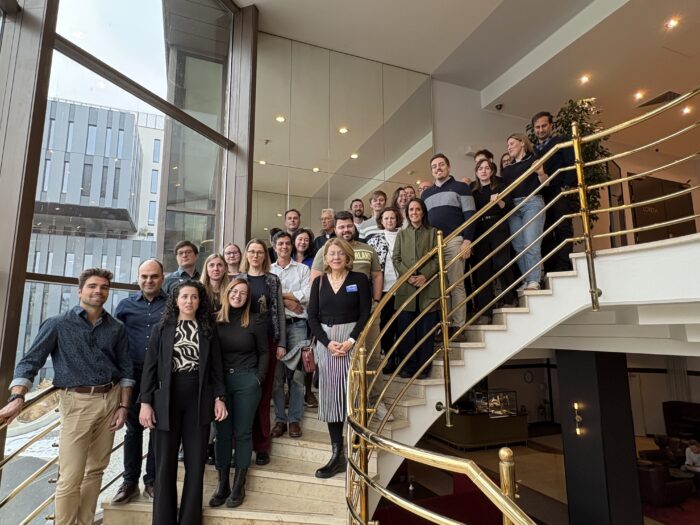
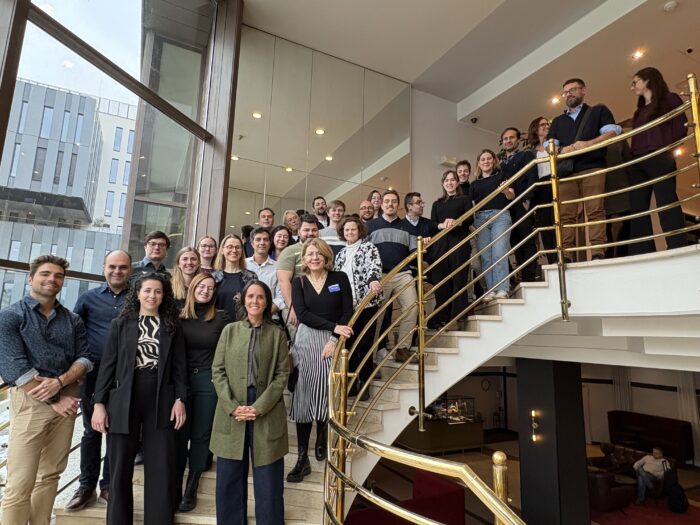
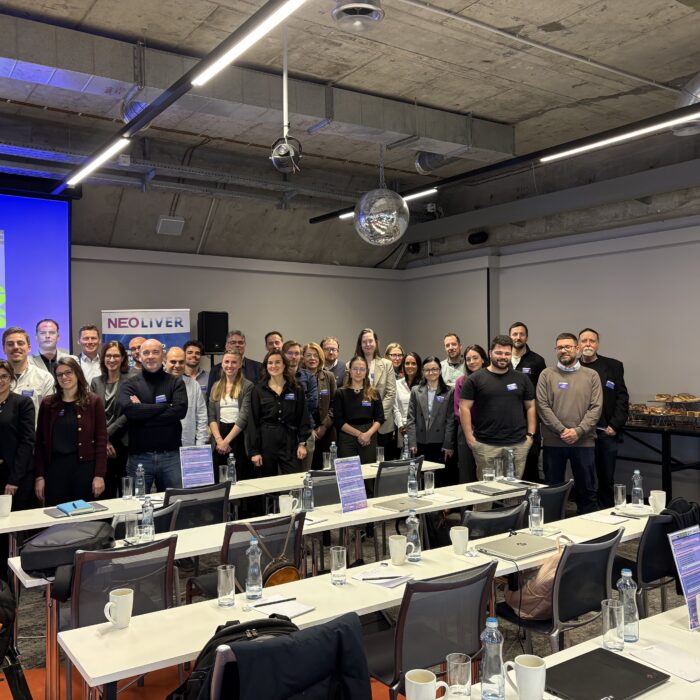
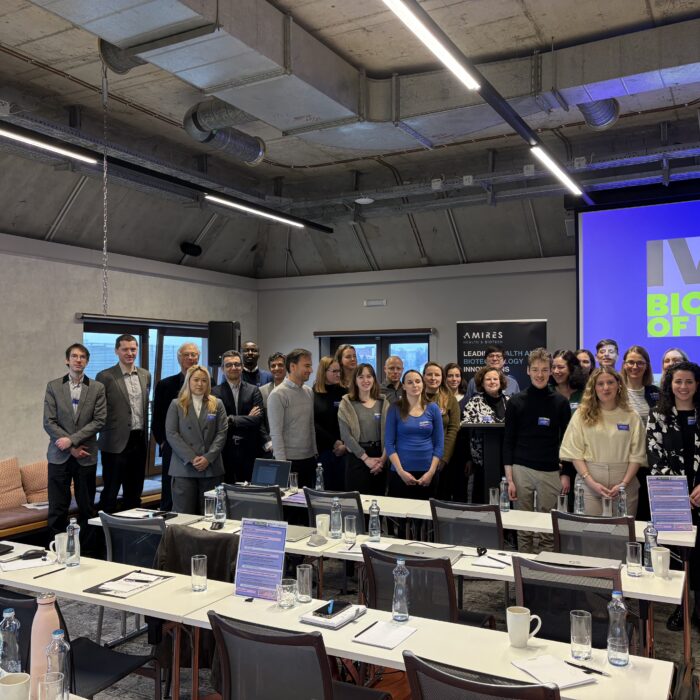
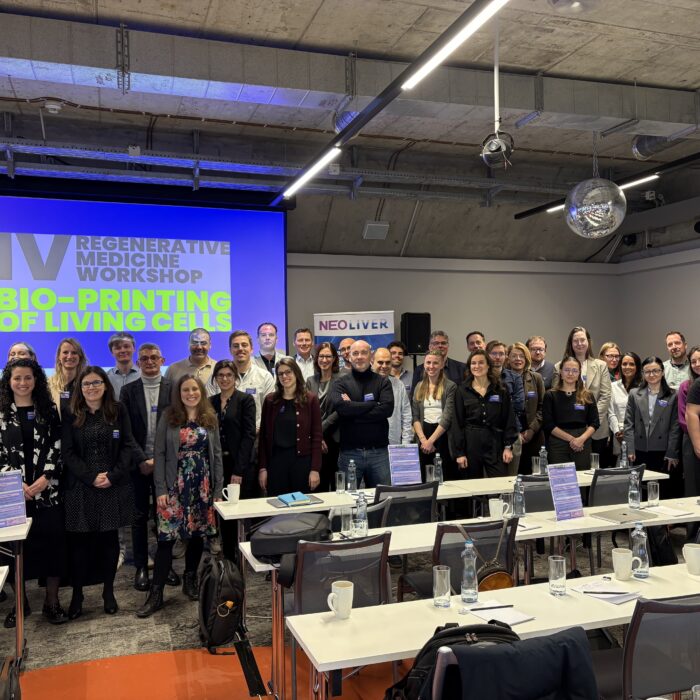
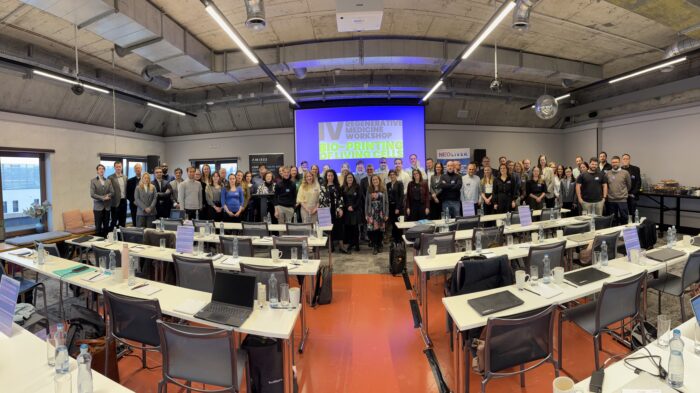
Find Bioprinting of living cells event Report here: https://zenodo.org/records/18841679
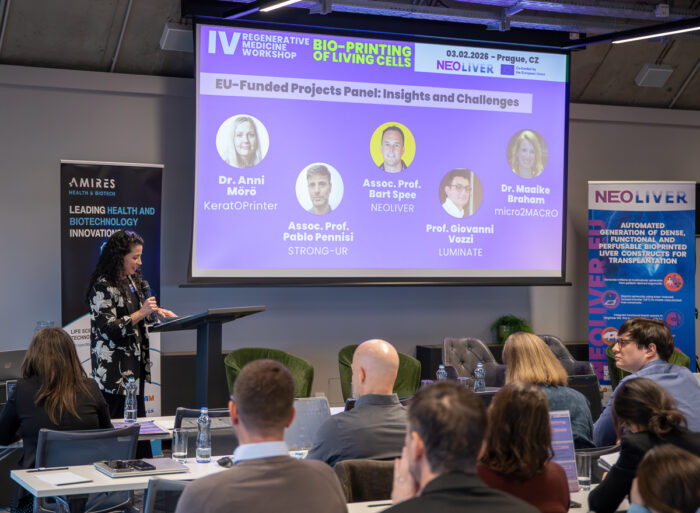
Dr. Anni Mörö – KeratOPrinter project
Assoc. Prof. Pablo Pennisi – STRONG-UR project
Assoc. Prof. Bart Spee – NEOLIVER project
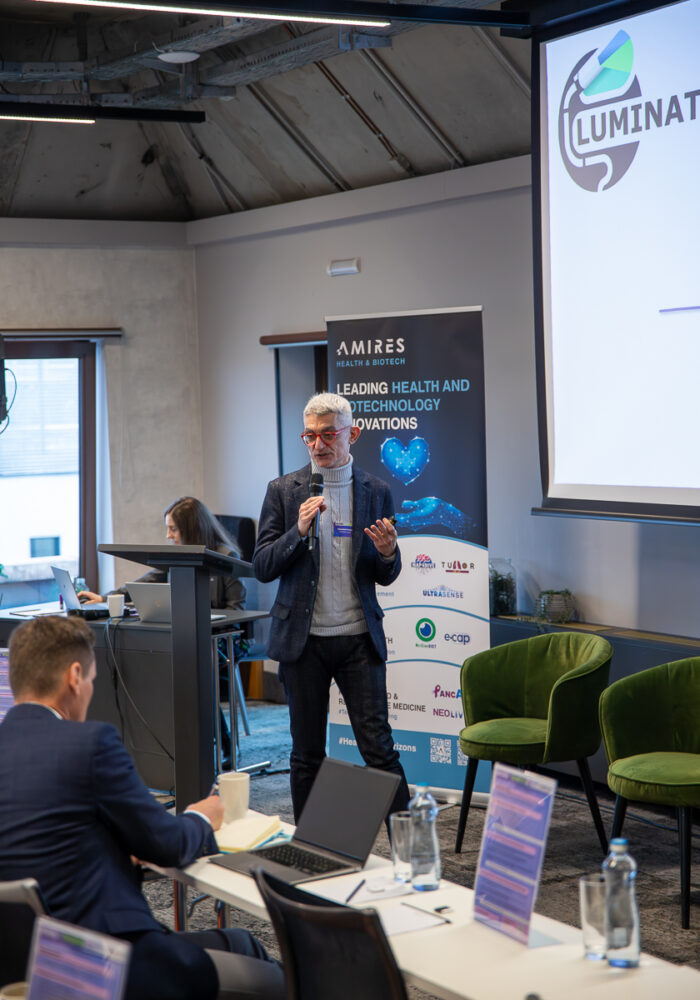
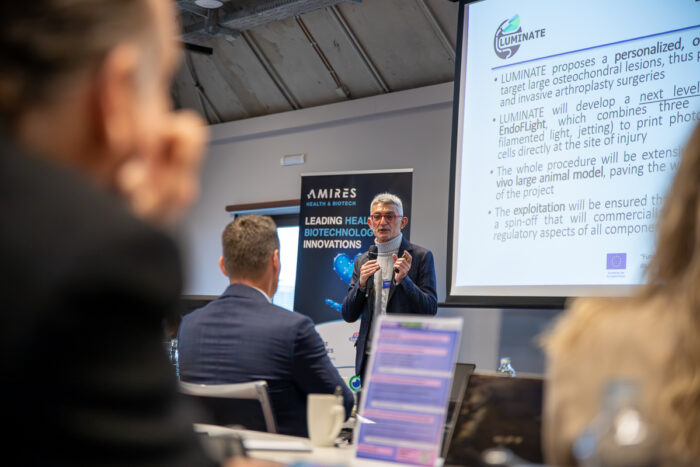
Prof. Giovanni Vozzi – LUMINATE project
Dr. Maaike Braham – micro2MACRO project
Lunch break
Advancing Bioprinting in Tissue Engineering Through Dynamic Bioinks
Dr. Abolfazl Heydari – CEITEC Biomaterials & Czech Bioimplantology Association
Laser Bioprinting: A Versatile Approach for Tissue Engineering Applications
Dr. Ioannis Theodorakos – PhosPrint P.C.
Enabling technologies for translation of Regmed and bioprinting initiatives to the clinic
MSc. Annika Noordink – DEMCON
Coffee Break & Poster Session
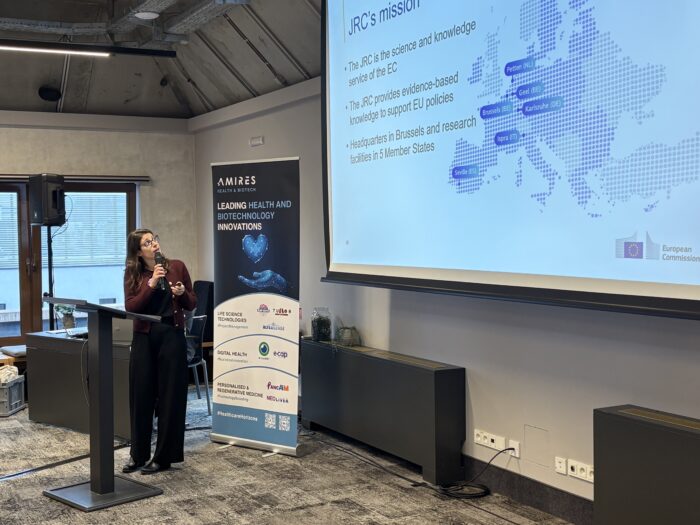
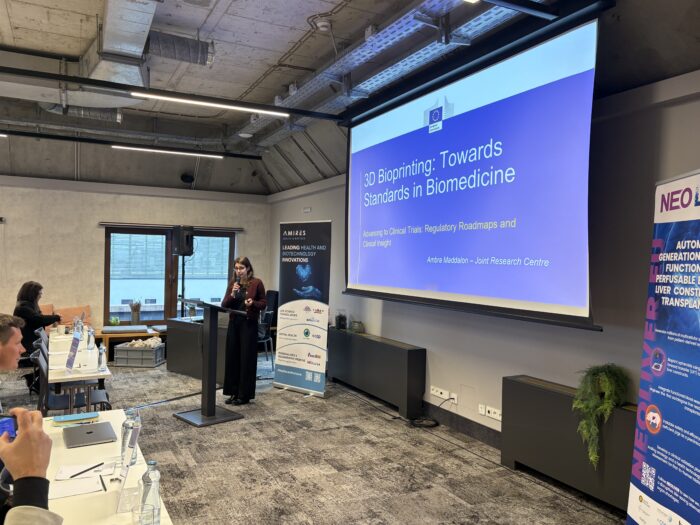
3D Bioprinting: Towards Standards in Biomedicine
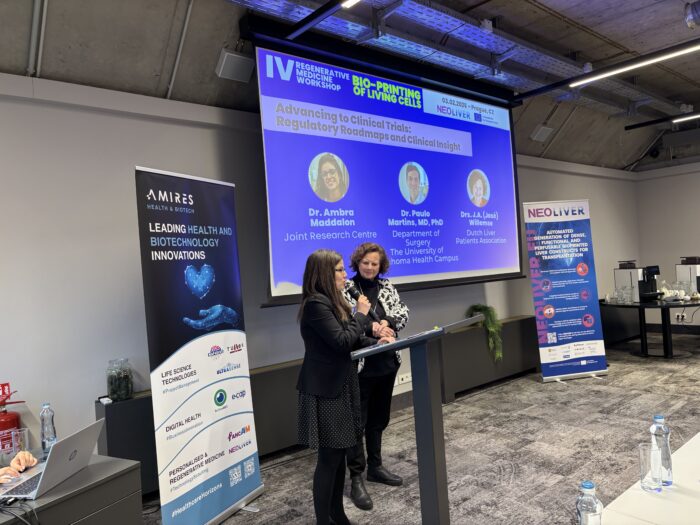
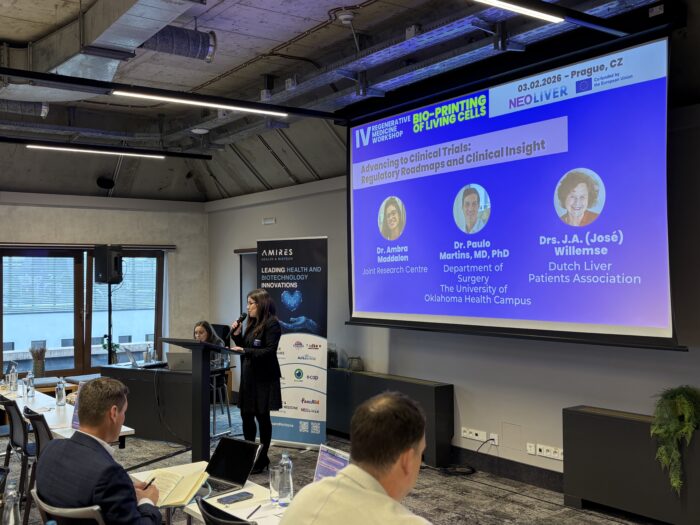
Dr. Ambra Maddalon – Joint Research Centre
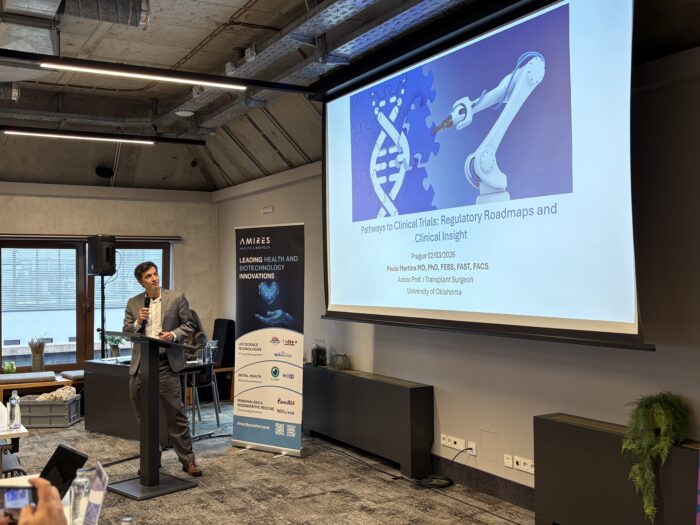
Pathways to clinical trials in Bioengineering
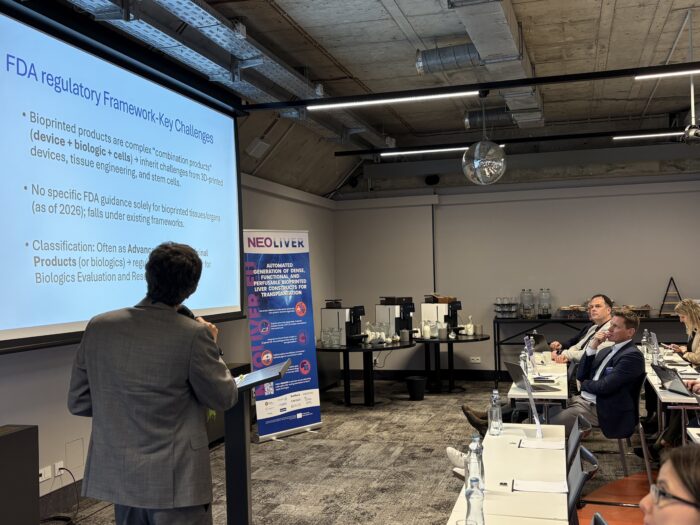
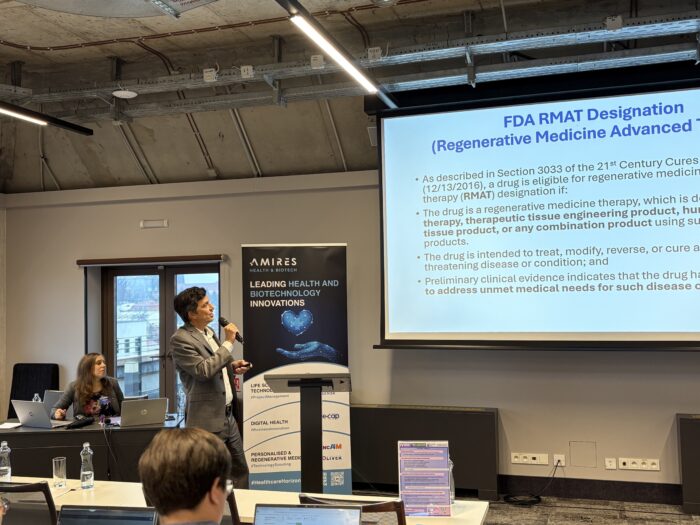
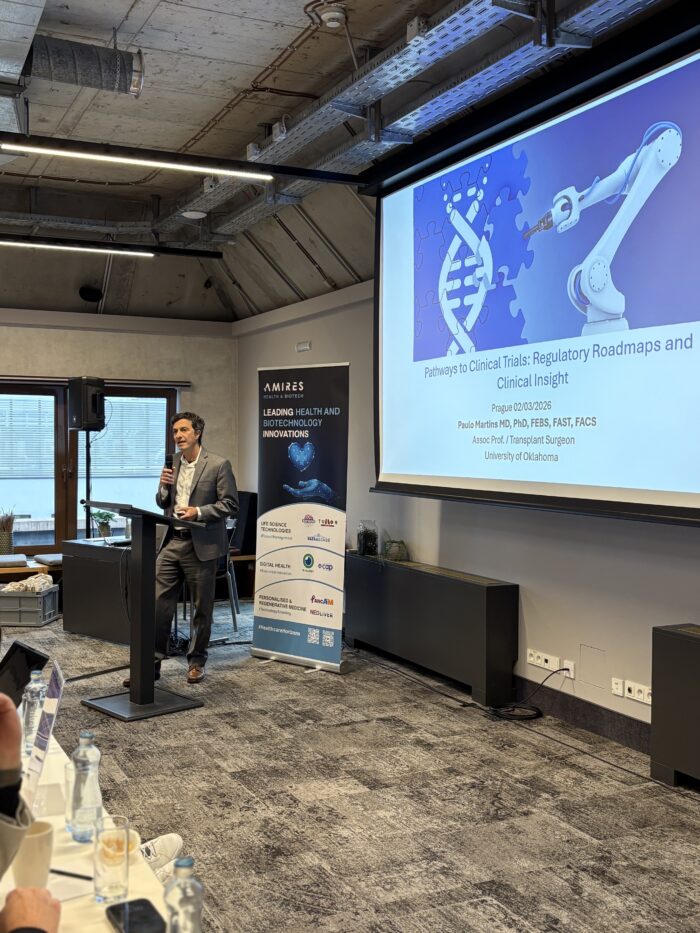
Dr. Paulo Martins, MD, PhD – Department of Surgery, The University of Oklahoma Health Campus
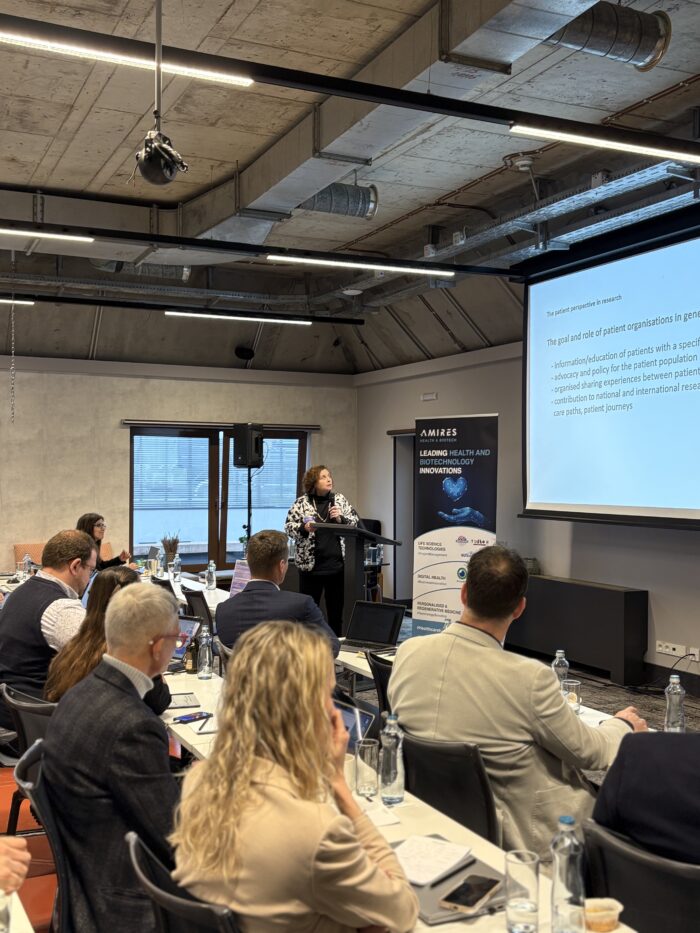
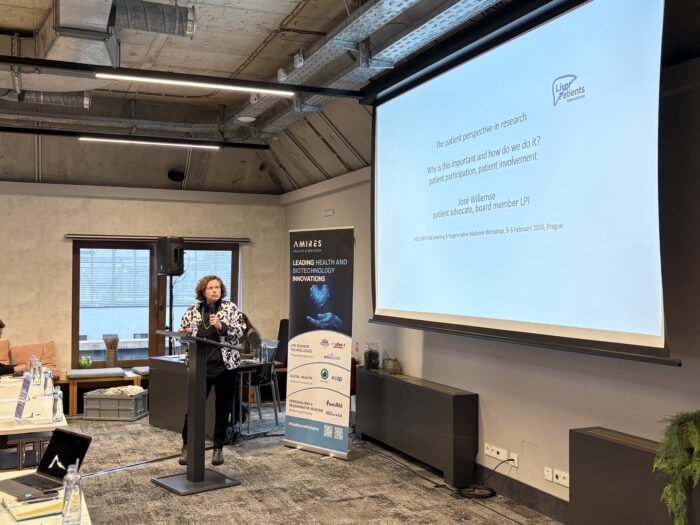
The patient perspective in research: Why is this important and how do we do it?
Drs. J.A. (José) Willemse – Liver Patients International
Networking cocktail
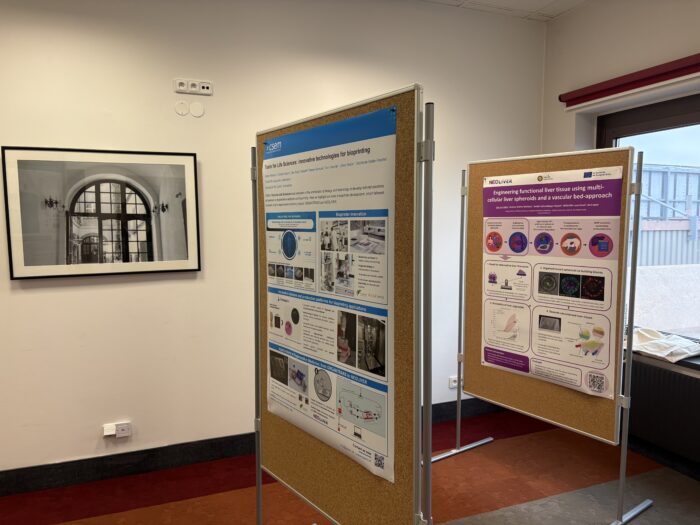
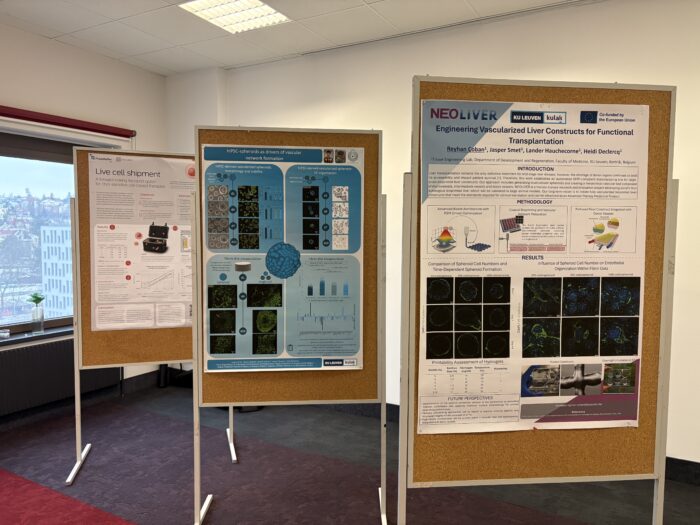
Poster session
Intelligent Nanoengineering-Enabled Stem Cell Therapy for Corneal Injury Repair
Xiaohui (Sophie) Ju, PhD. – Intelligent Nanoengineering Group (iNANO), Department of Chemistry and Biochemistry, Mendel University in Brno.
From Lab to Clinic: Poietis’ NGB Platform as the Catalyst for Bioprinted Therapies
Fabien Guillemot – Poietis Biosystems (www.poietis.com)
Bioreactor-Driven Remodeling of Collagen-Based Bioprinted Vascular Walls for Cardiovascular Repair
Assoc. prof., Ing. Roman Matějka, PhD. – Czech Technical University in Prague
hiPSC-Spheroids as Drivers of Vascular Network Formation
Jasper Smet, MSc. – KU Leuven
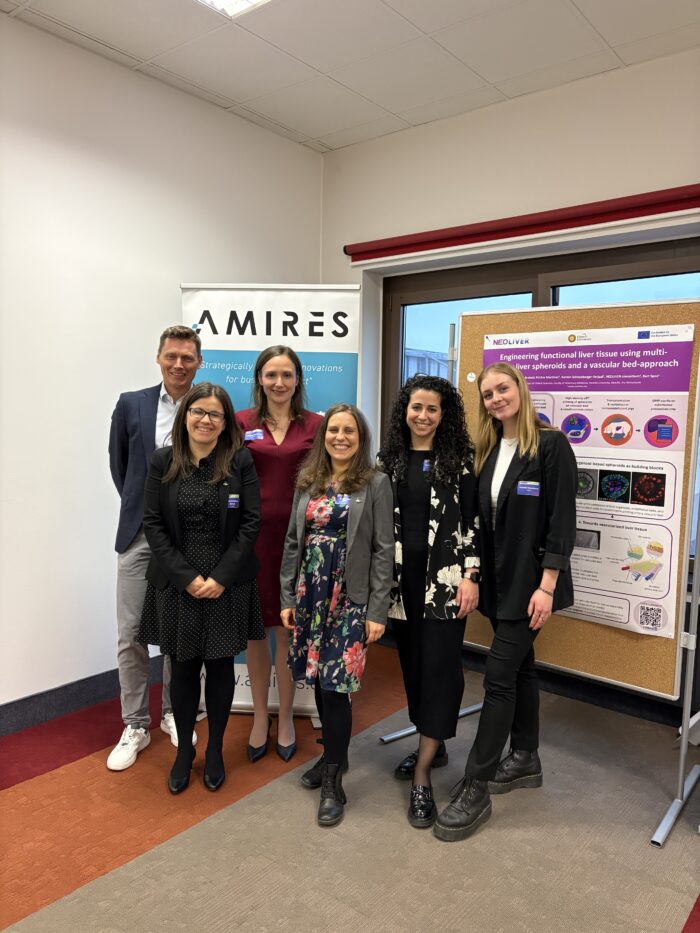
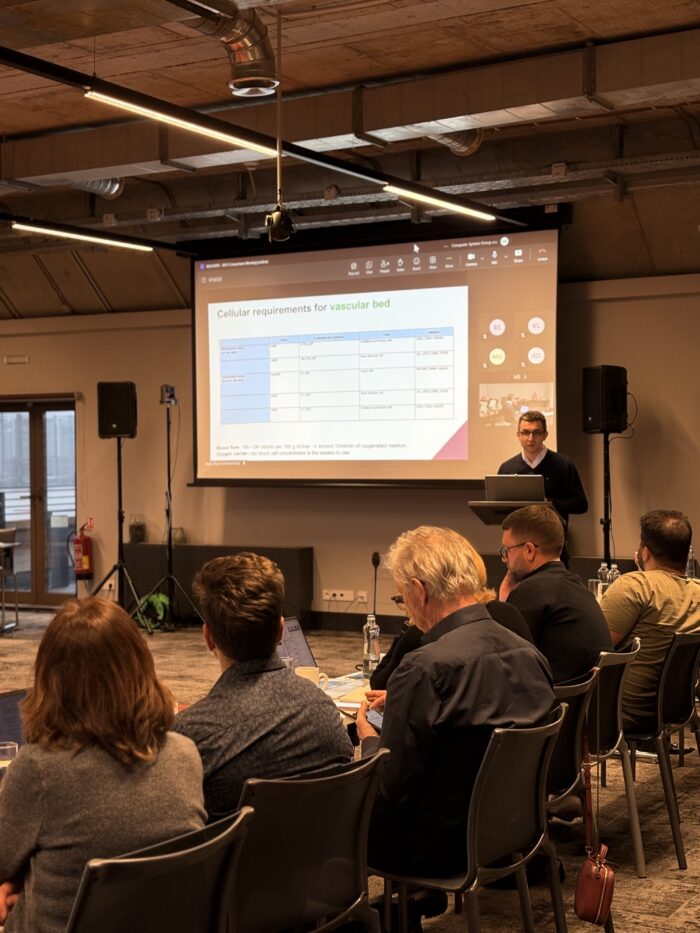
Engineering Functional Liver Tissue Using Multicellular Liver Spheroids and a Vascular Bed-Approach
Lisa van Uden, MSc. – Utrecht University | Regenerative Medicine Centre Utrecht
Tools for Life Sciences: Innovative Technologies for Bioprinting
Robert Wimbish, PhD – CSEM
Live Cell Shipment – A Forward-Looking Transport Option for Cryo-Sensitive Cell-Based Therapies
Leye Coker – Cellbox Solutions GmbH
Identifying Optimal Matrix Properties for the Expansion and Differentiation of Liver Organoids
Nathan Carpentier – Ghent University
Tuneable Bioinks and Advanced Biofabrication for Urethral Tissue Engineering
Nathan Carpentier – Ghent University
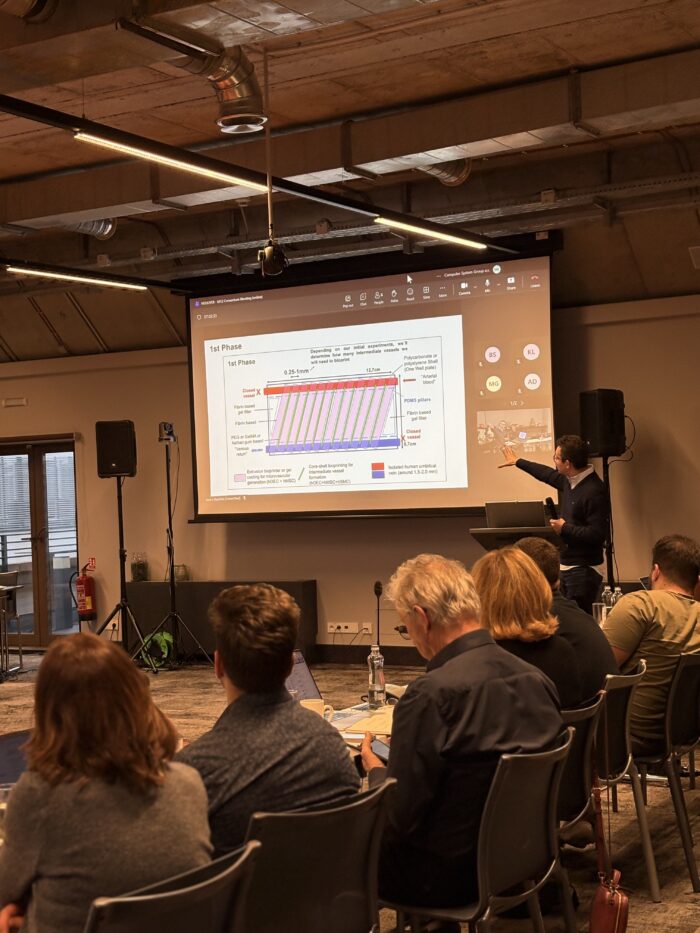
Engineering Vascularized Liver Constructs for Functional Transplantation
Reyhan Çoban – KU Leuven
Speakers

Prof. Dr. Rob Coppes
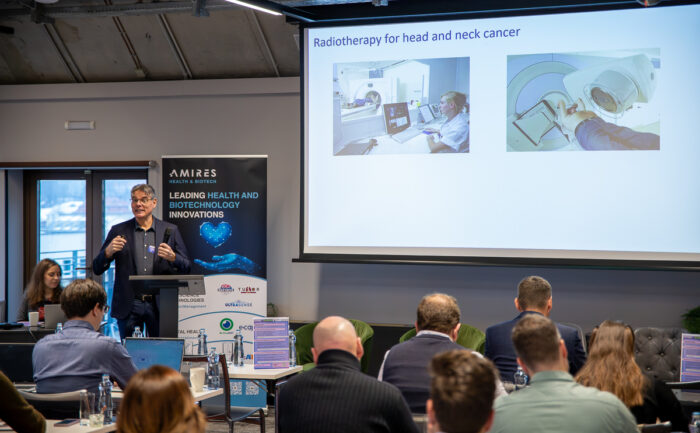
Since 2012, Rob Coppes has been a Professor of Radiotherapy at the University Medical Center Groningen. In 2000, following a PhD in Molecular Pharmacology and a post-doc in Radiobiology, he moved to the UMCG Department of Radiation Oncology. He is a leading expert in radiation biology, with a particular focus on tissue regeneration and stem cell therapy following radiotherapy. His lab developed in vivo and in vitro models to study purification, characterisation, and radiation response of mouse, rat, and human salivary gland, thyroid gland, brain, and oesophagus stem/progenitor cells. His research on salivary gland organoids led to the development of a protocol for adult stem cell therapy for radiation-induced hyposalivation and consequential xerostomia, which is now being tested in a Phase I/II clinical trial.
In 2015, he received the Bacq-and-Alexander Award from the ERRS to recognise outstanding achievements in European radiation research. In 2022, he received the Societal Impact Award from the W.J. Kolff Institute for Biomedical Engineering and Materials Science.
Keynote presentation: SALIVARY GLAND ORGANOIDS TO TREAT RADIOTHERAPY-INDUCED XEROSTOMIA
Severe hyposalivation and consequential xerostomia (dry mouth syndrome) are common, often irreversible side effects of radiotherapy treatment for head-and-neck cancer. Xerostomia severely hampers the quality of affected patients’ lives. Currently, no successful treatment exists. The aim was to develop a stem cell therapy to treat radiation-induced hyposalivation.
First, we developed methods for culturing murine and patient-specific salivary gland-derived organoids (SGO). These SGOs contain all the glandular lineages and can extensively self-renew and rescue salivary gland function upon (xeno)transplantation. Subsequently, we developed a GMP-compliant protocol for isolating and expanding human-derived salivary gland organoids derived from patient submandibular gland biopsies taken before radiotherapy treatment with an efficiency comparable to current non-GMP research-based protocols. The functionality of salivary gland-derived cells is maintained after cryopreservation, allowing the protocol to be adapted to the patient’s radiotherapy treatment schedule. This presentation will show the developmental path to the first in human application of autologous organoid-derived cell transplantation in head and neck cancer patients. The first preliminary results will be presented.
Supported by the Dutch Cancer Society (KWF) and The Netherlands Organisation for Health Research and Development (ZonMw).

Dr. Anni Mörö
Anni Mörö is a Senior Research Fellow in the Eye Regeneration Group at Tampere University (Finland). She holds a PhD in Cell and Tissue Engineering, and for the past 15 years, her research has focused on developing biomaterial-based solutions for ocular stem cell therapies. Mörö completed her postdoctoral training at the Laser Zentrum Hannover e.V. in Germany, where she specialized in laser-induced forward transfer-based bioprinting. She is a pioneer in the 3D bioprinting of corneal tissues using human stem cells and has been recognized for her contributions to medical innovation with an award from the Council of Tampere Region for her groundbreaking work in corneal 3D bioprinting. In addition to her academic research, Mörö is actively involved in translating scientific discoveries into practical and clinical applications in the biotech industry. She has co-founded two spin-off companies, StemSight Oy and LifeGlue Technologies Oy. LifeGlue Technologies is advancing a clinically suitable hydrogel platform designed to provide high-quality raw materials for advanced therapy medicinal products (ATMPs) and 3D bioprinting applications.

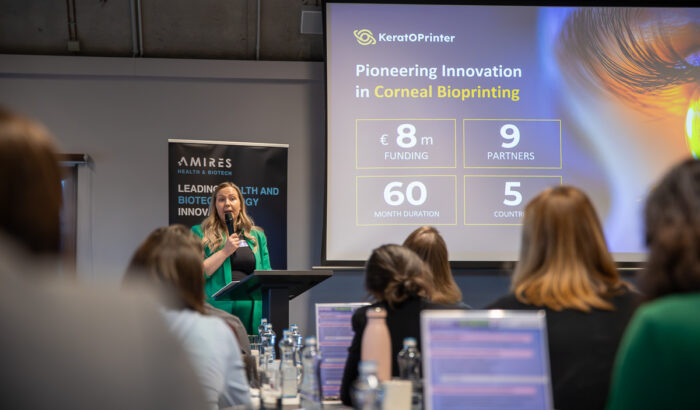
The KeratOPrinter project, funded under the Horizon Europe Framework Programme (grant agreement No. 101191726), serves as a pivotal initiative driving regenerative medicine forward. This project focuses on developing a bioprinting suite capable of producing full-thickness corneal grafts, addressing the global shortage of donor corneas. By leveraging iPSC-derived corneal cells, bioinks, and advanced 3D bioprinting technologies, KeratOPrinter aims to enhance the precision, scalability, and accessibility of biofabricated tissues for ophthalmology. The project is a multidisciplinary collaboration between leading research institutes, SMEs, and industry partners specialising in stem cell differentiation, biomaterials, regulatory affairs, clinical ophthalmology, and robust, portable containers with active CO₂ and temperature control that ensures the safe transport of living cells and biological samples under optimal laboratory conditions. The integration of GMP-compliant workflows and AI-driven quality control mechanisms ensures the reliability and reproducibility of bioprinted tissues, facilitating their transition into clinical applications.
Assoc. Prof. Pablo Pennisi
Dr. Pablo Pennisi received his PhD in Biomedical Engineering from Aalborg University (Denmark) in 2008 and is currently Associate Professor at the Department of Health Science and Technology, where he leads the Regenerative Medicine research group. His work focuses on cell and tissue engineering, particularly in tailoring biomaterials for cell microenvironments. Bridging engineering and biology, he has expertise in nanobiotechnology and mechanobiology and has pioneered the use of mechanical and topographical material modifications to control stem cell responses. Dr. Pennisi has authored over 60 peer-reviewed publications and 8 book chapters. He serves on editorial boards of international journals and is an active member of the Scandinavian Society of Biomaterials, the Danish Stem Cell Society, and IEEE-EMBS. His research in tissue engineering and regenerative medicine is complemented by extensive experience in project management and industry collaboration.

Urethral strictures affect 0.6 % of males, leading to significant health and economic challenges. Repair methods are essential, and while bioprinting shows promise, a gap remains between research and clinical application. In this context, the EU-funded STRONG-UR project will develop bioprinted tubular tissue constructs for urethral tissue engineering. It will create modular, scalable bioprinter components and smart bioinks that can be personalised for individual constructs, enabling noninvasive monitoring and real-time treatment assessments. Two main strategies are proposed: a single-stage in situ bioprinting method for faster clinical translation and a multistage approach using GMP-manufactured components to enhance vascularisation and tissue healing. It also introduces an in vitro urethral model for more ethical and reliable preclinical testing.

Dr. Bart Spee
Dr. Spee is a scientist with over 20 years of experience in Molecular Biology and Veterinary Medicine, and (co)author of more than 100 peer-reviewed publications. After earning his Ph.D. on liver regeneration and fibrosis, he conducted postdoctoral research at the University of Leuven and completed an internship at the NIH on cholangiocarcinoma. He later returned to Utrecht University as an Assistant Professor. His current work focuses on applying stem cell technologies— including organoids, MSCs, and iPSCs— to promote liver regeneration. He develops physiologically relevant in vitro liver models and explores biofabrication strategies for Advanced Therapy Medicinal Products (ATMPs), such as bioengineered liver tissue. Dr. Spee is involved in major European initiatives, including ORGANTRANS and serves as a coordinator in the NEOLIVER consortium. He is also co-founder of Orgonex, a spin-off developing organoid-specific bioreactors that standardize and improve organoid culture.

Despite advances in organ transplantation technology, there is still a huge shortage of transplantable organs. Yearly, 25% of patients with end-stage liver disease on the donor waiting list die, emphasizing the need for alternatives to organ donations, such as bioprinting. Bioprinting presents a promising approach for creating organs from scratch, yet, it faces significant hurdles due to technical and biological challenges, combined with lacking standardized procedures and materials. In NEOLIVER, we will develop large, dense, and vascularized fully functional bioprinted constructs suitable for transplantation. We will achieve this by establishing a GMP-conform manufacturing line for standardized production, ensuring unparalleled quality and safety for future patients. More specifically, by using patient-derived organoids and supporting cells including endothelial cells, we will generate millions of multicellular spheroids as building blocks for bioprinting. Through laser induced forward transfer (LIFT) bioprinting techniques we will create a vascularized liver construct via precise spatial deposition of spheroids and vessels at high density. By integrating this technology with extrusion-based bioprinted vessels for blood supply, we will generate the world’s first autologous bioprinted liver, ready for transplantation. To show the safety and efficacy, we will transplant the bioprinted liver constructs in immune-deficient pigs. This, combined with a clinical validation plan, upscaling strategy and Health Technology Assessment (including patient acceptance), will prepare the bioprinted liver constructs for first-in-human trials. Thus, NEOLIVER presents a disruptive alternative to donor organs for patients dealing with end-stage liver disease.
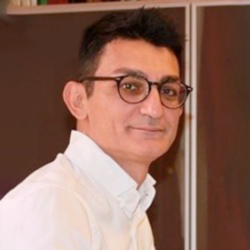
Prof. Giovanni Vozzi
Giovanni Vozzi was graduated in Electronic Engineering in 1998 at the University of Pisa. In 2002 he got the PhD in Bioengineering at Polytechnical of Milan. From 2002 to 2006 he was Post-Doc working on development of microfabrication systems and on the realization and characterization of polymeric structures for application in the drug controlled release and in Tissue Engineering at research center “E. Piaggio of University of Pisa and at IMCB of CNR in Pisa. He is full professor in Bioengineering. He was co-founder, member of Board of Directors and treasurer of International Society for Biofabrication, and vice-president of National Group of Bioengineering. He is member of IEEE.
His principal research interests are:
- Design and realization of multimaterial and multiscale biofabrication techniques and in situ bioprinting;
- Development of 3D in vitro tissue model and in last period, 3D gut model embedding human gut microbiota;
- Study and mechanical, chemical and cell characterization of novel biomaterials, principally obtained by waste materials.
These scientific activities are demonstrated by more then 200 papers on international journal with high IF (h-index=38) 17 chapters on book and 24 patents.
He is and was involved as coordinator in several national and European research projects. Actually he is the PI of LUMINATE and DAEDALUS European project in the framework of Horizon Europe program.

Traumatic injuries to the osteochondral tissues of diarthrodial joints like the knee result in pain, functional impairment, and increased risk of developing post-traumatic osteoarthritis (PTOA) and its comorbidities. Current treatments, based on cell-free grafts or cellbased therapies, are expensive and often with limited availability, ultimately leading to total arthroplasty to relieve the pain and restore function. However, the risk of revision of these implants is unacceptably high in young active patients, predicting a looming epidemic of revision surgeries as these implants start to fail. LUMINATE proposes a personalized, one-stage regenerative approach to target large osteochondral lesions, thus preventing PTOA and avoiding costly and invasive arthroplasty surgeries. LUMINATE will develop a next level in situ bioprinting unit, called EndoFLight, which combines three toolheads (i.e., micro-extrusion, filamented light, jetting) to print photoresins laden with patient-derived cells directly at the site of injury. EndoFLight uses filamented light to bioprint highly architected scaffolds with excellent cell guidance properties in seconds. Together with micro-extrusion and jetting toolheads in an arthroscopic set-up, we can deposit multiple biomaterials, biomolecules and cell types together with light-assisted crosslinking of complex structures directly in vivo in a minimally invasive manner. The whole procedure will be extensively validated in a human-relevant in vivo large animal model, paving the way for clinical translation after the end of the project. The exploitation of the results will be ensured through market analysis, the foundation of a spin-off that will commercialize the project results, and analysis of regulatory aspects of all components of the bioprinting suite. Overall, LUMINATE will ensure wide-spread health benefits to the patients suffering from these lesions and will pave the way for enormous socioeconomic advantages for our aging society. The project involves 13 European partners from academia (9) and Industry (4).

Dr. Maaike Braham
Maaike Braham is a Regenerative Medicine and Tissue Engineering Specialist at the Innovation Centre for Advanced Therapies (ICAT), a facility within the University Medical Center Utrecht (UMC Utrecht) with a mission to accelerate the translation of innovative cell, gene, and tissue therapies.
She obtained her Master’s degree in Technical Medicine cum laude, followed by a PhD in Regenerative Medicine at the Department of Orthopedics at UMC Utrecht. During her PhD, she focused on the development of a human in vitro bone marrow model that can be used as a platform to culture hematopoietic stem and progenitor cells as well as multiple myeloma cells. This model was further validated to assess the feasibility of evaluating patient-specific therapeutic responses in cultured myeloma cells.
Following her PhD, she worked as a postdoctoral researcher at the Dutch National Institute for Public Health and the Environment (RIVM) as part of the Target2B consortium, where she contributed to the development of a synthetic human 3D in vitro lymphoid model to study B cells. She continued this line of research during a subsequent postdoctoral position at Sanquin, further developing the lymphoid model to investigate human B–T cell interactions and adaptive immune responses following antigen or vaccine exposure.
Together with the ICAT team and the research group of Jos Malda, she is currently working on the translation of biofabricated implants toward approved clinical treatments. In addition, she is involved in the m2M consortium, focusing on the implementation of GMP-compliant biomanufacturing procedures to ensure consistency, quality, and regulatory compliance of the created regenerative solutions that address the complex challenges of joint repair.

A fundamental limitation with current approaches aiming to bioprint tissues and organs is an inability to generate constructs with truly biomimetic composition and structure, resulting in the development of engineered tissues that cannot execute their specific function in vivo. This is perhaps unsurprising, as many tissues and organs continue to mature postnatally, often taking many years to attain the compositional and structural complexity that is integral to their function. A potential solution to this challenge is to engineer tissues that are more representative of an earlier stage of development, using bioprinting to not only generate such constructs, but to also provide them with guiding structures and biochemical cues that supports their maturation into fully functional tissues or organs within damaged or diseased in vivo environments. It has recently been demonstrated that such developmental processes are better recapitulated in ‘microtissues’ or ‘organoids’ formed from self-organizing (multi)cellular aggregates, motivating their use as biological building blocks for the engineering of larger scale tissues and organ.
The main goal of micro2MACRO (m2M) is to develop a new bioprinting platform capable of spatially patterning numerous cellular aggregates or microtissues into scaled-up, personalised, durable load-bearing grafts and guiding their (re)modelling into fully functional tissues in vivo within damaged or diseased environments. This will be achieved using a converged bioprinting approach capable of depositing cells and microtissues into guiding scaffold structures with high spatial resolution in a rapid, reliable, reproducible and quantifiable manner. These guiding structures will then function to direction the fusion and remodelling of cellular aggregates and microtissues into structurally organised tissues in vitro and in vivo, as well as providing medium-term (3-5 years) mechanical support to the regenerating tissue. Another key aspect of the project is developing a GMP-conform manufacturing process, ensuring scalability and clinical applicability. A Quality by Design approach is used, emphasising quality assurance, real-time monitoring and process control, to ensure aseptic processing, reproducibility, quality, and traceability of the resulting biomanufacturing procedure.
By combining technological innovation with biological understanding, m2M aims to create regenerative solutions that address the complex challenges of joint repair. This talk will summarise the main goals of the m2M project and provide an insight into early results obtained by the consortium.
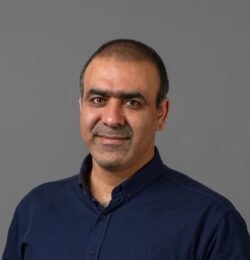
Dr. Abolfazl Heydari
Dr. Abolfazl Heydari is a senior researcher at CEITEC–Brno University of Technology (CEITEC-BUT) specializing in biomaterials and tissue engineering. His research focuses on the design and characterization of polysaccharide-based hydrogels, dynamic covalent networks, and injectable and microsphere-based systems for biomedical applications. He has particular expertise in 3D bioprinting of dynamic hydrogel bioinks, cell encapsulation, and immunoprotective materials for regenerative medicine. His work includes alginate- and cyclodextrin-based polymeric systems for cartilage regeneration, intra-articular drug delivery, and diabetes-related cell therapies. Dr. Heydari has coordinated and contributed to several competitive research projects and has presented his work at international conferences, actively collaborating with multidisciplinary teams in biomaterials, regenerative medicine, and cell-based therapies.
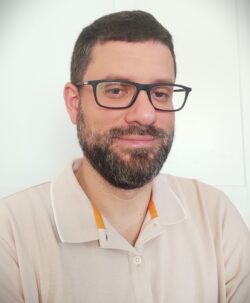
Dr. Ioannis Theodorakos
Dr. Ioannis Theodorakos is a Research Physicist currently at PhosPrint, and formerly at the National Technical University of Athens (NTUA). He received his Ph.D. in 2019, specializing in laser printing and laser materials processing. His research focuses on advanced laser technologies, with emphasis on laser bioprinting and the laser-based deposition of biological and functional materials. He has contributed to several EU-funded projects and to the development of laser printing systems for biomedical and microelectronic applications.
Laser Bioprinting: A Versatile Approach for Tissue Engineering Applications
Laser bioprinting is emerging as a highly adaptable technology for tissue engineering, capable of transferring a wide variety of cell types and biological materials with precision and high viability. Its contactless mechanism allows accurate placement of structures ranging from single cells to multicellular spheroids, while accommodating bioinks with diverse rheological properties, from liquids to semi-solid formulations. This flexibility positions laser bioprinting as a powerful alternative to nozzle-based methods.
PhosPrint is advancing this field by pioneering in vivo clinical applications and bringing laser bioprinting technology into medical use, enabling more precise, scalable, and biologically compatible bioprinting workflows. In this presentation, we will introduce the operating principles of Laser-Induced Forward Transfer (LIFT) and provide an overview of its potential in regenerative medicine, illustrated through applications currently being developed by PhosPrint.

Ms. Annika Noordink – Innovation & Technology Manager at DEMCON
Her current position focuses on leading public-private partnerships, securing grant funding, and orchestrating project management initiatives that deliver impactful outcomes. Building on a foundation in the academic biomedical research and elite sports, she has transitioned into this role where she uses the acquired skills to manage collaborative initiatives and oversee and steer projects from idea to execution. Fueled by a passion for improvements, innovation and creating impact, she thrives in dynamic environments where she uses her energy and motivation to drive meaningful change and achieve tangible results across different fields.
Enabling technologies for translation of Regmed and bioprinting initiatives to the clinic
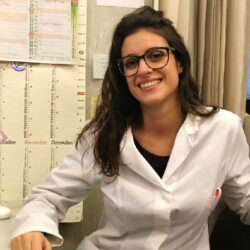
Dr. Ambra Maddalon
Dr. Ambra Maddalon has a BSc in Pharmaceutical Biotechnologies and a MSc in Safety Assessment of Xenobiotics and Biotechnological Products, obtained at the University of Milan. She obtained the PhD in Pharmacological Biomolecular Sciences, Experimental and Clinical. Since 2023 she is working at the Joint Research Centre of the European Commission on a project of 3D Bioprinting. She deals both with lab activities and with the promotion of standardisation in the field of 3D Bioprinting.
3D Bioprinting: Towards Standards in Biomedicine
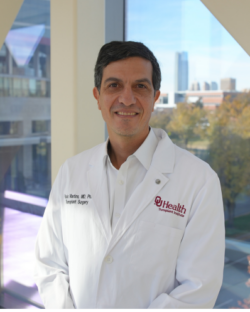
Dr. Paulo Martins, MD, PhD
Dr. Paulo Martins, MD, PhD is a distinguished transplant surgeon and internationally recognized researcher whose work has significantly advanced the field of organ transplantation. Currently a senior academic surgeon specializing in liver, kidney, and pancreas transplantation, he is widely respected for his contributions to transplant immunobiology, organ preservation, and surgical innovation. His work has shaped clinical practice, influenced global research, and earned him numerous awards and editorial leadership roles.
Pathways to clinical trials in Bioengineering

Drs. J.A. (José) Willemse
José Willemse has been an experienced patient advocate for almost 30 years. She is a board member and co-founder of Liver Patients International, an umbrella organisation for liver patient organisations; retired executive director of the Dutch Liver Patients Association. She is a member of the EASL (European Association for the Study of the Liver) Policy Public Health Advocacy Committee. Besides that, she is a co-author of several (national and international) scientific guidelines for liver diseases and care paths, and of scientific articles. She is often invited to speak and serve as a panellist to represent the patient perspective. She is known for her stance on the involvement of patient organisations in scientific research and developments.
Venue
Hotel Diplomat
Evropska 15
16041 Prague
Czechia
Contacts
AMIRES H&B team: health@amires.eu
NEOLIVER Project Manager: dominguez@amires.eu
Gallery